Apply Now Programmes Virtual Tour CT-SET 2026 Ph.D
Admissions
Open 2026-27
Apply now
Apply Now
Home  /  Programmes  /  Masters of Pharmacy (Pharmaceutics/Pharmacology)

Masters of Pharmacy (Pharmaceutics/Pharmacology)

Duration: 2 Years Category: Postgraduate Programs

Programme Details

About the Programme

M.Pharm is a specialized program that offers advanced knowledge in various branches of pharmaceutical sciences. The program includes intensive research, project work and skill development to prepare students for high-level positions in research, academia and industry.

Industry Immersion

  • Research collaborations with pharmaceutical companies.
  • Laboratory-based experiments and projects.
  • Internship opportunities in research institutions.

Eligibility Criteria

1. B. Pharm Degree examination of an Indian university established by law in India from an institution approved by Pharmacy Council of India and has scored not less than 55 % of the maximum marks (aggregate of 4 years of B.Pharm). 
2. For candidates having not less than 5 years professional experience, after passing B. Pharm course, there shall be a relaxation in pass percentage from 55% to 50% for admission to M.Pharm programme

Register Now

Why Choose CT University

Why CT University is the Right Choice for Your Future

CT University Campus

At CT University, we combine industry-integrated learning and global academic partnerships, backed by the CT Group's 30+ year legacy, to prepare students for careers that actually last.

Industry-oriented
learning

Modern campus
facilities

Academic excellence &
mentorship

Global opportunities &
placements

Fee Structure & Scholarships

Program Fee Details

Fee Type Amount
Programme Fees (per Semester) ₹83000
Examination Fees ₹3000
International Fee (USD) $5000

Course Curriculum

1ST SEMESTER - PHARMACOLOGY

Covers advanced analytical techniques used for the identification, characterization and quantitative analysis of drugs and pharmaceutical substances. Emphasis is placed on spectroscopic, chromatographic, thermal and other modern instrumental methods.
Course Outcome:
CO1: Understand the fundamental principles and instrumentation of UV-Visible, IR and Fluorescence spectroscopy for qualitative and quantitative analysis of pharmaceutical compounds.
CO2: Interpret NMR and Mass Spectra to elucidate the structure and purity of organic and pharmaceutical compounds.
CO3: Apply chromatographic techniques such as TLC, HPLC, GC and electrophoresis for the separation, identification and quantification of pharmaceutical substances.
CO4: Analyze elemental and molecular composition of drugs using atomic absorption spectroscopy, flame emission spectroscopy and potentiometric methods.
CO5: Utilize thermal analysis techniques (DSC, DTA, TGA) and X-ray crystallography for characterization, stability studies and structural analysis of pharmaceutical compounds.

Provides advanced knowledge of the mechanisms of drug action, pharmacological effects, therapeutic uses and adverse effects of drugs. Emphasis is placed on major drug classes acting on the autonomic, central and peripheral nervous systems.
Course Outcome:
CO1: Understand the fundamental principles of pharmacokinetics and pharmacodynamics, including drug absorption, distribution, metabolism, elimination and receptor interactions.
CO2: Explain the mechanisms of neurotransmission and the role of various neurotransmitters in both the autonomic and central nervous systems.
CO3: Analyze the pharmacology, therapeutic applications and toxicology of drugs affecting the autonomic nervous system and neuromuscular junction.
CO4: Comprehend the pharmacological treatment of central nervous system disorders, including anesthesia, psychiatric conditions, epilepsy and neurodegenerative diseases.
CO5: Evaluate the pharmacology of cardiovascular agents and autocoids, understanding their role in the treatment of cardiovascular diseases and inflammatory processes.

Covers principles and methodologies used for pharmacological and toxicological evaluation of drugs and bioactive compounds. Emphasis is placed on experimental models, screening procedures, dose selection, safety assessment and interpretation of pharmacological responses.
Course Outcome:
CO1: Understand the characteristics, handling and applications of common laboratory animals and transgenic models in pharmacological research.
CO2: Comprehend ethical guidelines including CPCSEA regulations and good laboratory practices for conducting animal experiments.
CO3: Develop knowledge of anaesthesia, euthanasia and maintenance techniques for laboratory animals to ensure humane treatment and valid experimental outcomes.
CO4: Gain proficiency in preclinical screening methods using in vivo, in vitro and alternative models for evaluating pharmacological activities across various therapeutic categories.
CO5: Understand immunoassay principles and techniques for drug monitoring and preclinical evaluation, alongside recognizing limitations and alternatives to animal experimentation.

Explores cellular and molecular mechanisms underlying drug action and biological responses. Covers receptors, signal transduction pathways, second messengers, gene expression, molecular targets and contemporary approaches in molecular pharmacology.
Course Outcome:
CO1: Understand the structural organization and functions of cells, gene expression regulation and mechanisms of cell death including apoptosis, necrosis and autophagy.
CO2: Describe intercellular and intracellular signaling pathways, receptor classifications and the role of secondary messengers in cellular communication.
CO3: Explain the principles and applications of genomic and proteomic tools including PCR, gene sequencing, recombinant DNA technology and gene therapy.
CO4: Understand pharmacogenomics concepts such as gene mapping, genetic polymorphisms affecting drug metabolism and response and the clinical applications of immunotherapeutics.
CO5: Gain practical knowledge of cell culture techniques, including cell isolation, maintenance, viability assays, flow cytometry and the development of biosimilars.

Provides hands-on training in experimental pharmacology, including drug screening, dose–response studies and evaluation of pharmacological effects using appropriate experimental models. Students develop skills in experimental design, data analysis and interpretation.
Course Outcome:
CO1: Demonstrate proficiency in handling laboratory animals, including techniques for blood sampling, anesthesia, euthanasia and conducting functional observational battery tests.
CO2: Evaluate pharmacological activities such as CNS effects, analgesic, anti-inflammatory, diuretic, antiulcer and glucose tolerance through in vivo experimental models.
CO3: Perform molecular biology techniques including isolation of nucleic acids (DNA/RNA), gene amplification by PCR and protein quantification using Western blotting and colorimetric assays.
CO4: Apply biochemical enzyme assays and cell viability tests to assess drug effects and toxicity in vitro.
CO5: Conduct pharmacokinetic studies, enzyme inhibition/induction analyses and extract and quantify drugs from biological samples using UV and HPLC techniques.

Develops students’ skills in scientific literature review, critical analysis, scientific writing and oral presentation. Students explore recent advances and emerging research areas in pharmacology and related disciplines.
Course Outcome:
CO1: Critically review and analyze recent scientific literature and effectively communicate research findings through scientific writing and oral presentation.

1ST SEMESTER - PHARMACEUTICS

Covers advanced analytical techniques used for the identification, characterization, purity assessment and quantitative evaluation of pharmaceutical substances and formulations. Emphasis is given to spectroscopic, chromatographic, thermal and other instrumental methods.
Course Outcome:
CO1: Explain the principles, instrumentation and applications of UV-Visible, IR, fluorescence, flame emission and atomic absorption spectroscopy.
CO2: Understand the theory, instrumentation and applications of NMR and mass spectroscopy, including different ionization and detection techniques.
CO3: Describe chromatographic methods such as paper, TLC, ion exchange, column, gas, HPLC and affinity chromatography, including their parameters and applications.
CO4: Explain electrophoretic techniques, their principles, instrumentation and factors influencing separation, along with X-ray crystallography methods and applications.
CO5: Understand the principles and clinical applications of immunological assays like RIA, ELISA and bioluminescence assays.

Covers the principles, design, formulation, evaluation and applications of conventional and advanced drug delivery systems. Emphasis is placed on improving drug efficacy, safety, stability, bioavailability and therapeutic performance.
Course Outcome:
CO1: Understand the principles, mechanisms and formulation strategies of sustained and controlled release drug delivery systems, including the role of polymers, bioelectronic medicines and personalized medicine technologies such as 3D printing and telepharmacy.
CO2: Explain various rate-controlled, modulated and feedback-regulated drug delivery systems and their activation mechanisms.
CO3: Describe the design, formulation and evaluation of targeted systems such as gastro-retentive, buccal and ocular drug delivery systems.
CO4: Understand the structure and challenges of transdermal and protein/peptide drug delivery and apply methods to enhance their efficacy.
CO5: Explain advanced and novel drug delivery approaches including vaccine delivery systems.

Provides advanced knowledge of formulation development, dosage-form design, manufacturing and evaluation of modern pharmaceutical products. Emphasis is placed on formulation optimization, novel excipients, process development and quality considerations.
Course Outcome:
CO1: Explain pre-formulation concepts, drug-excipient interactions, dispersion systems and formulation considerations for emulsions, suspensions and parenteral.
CO2: Apply optimization techniques and statistical design methods (e.g., factorial designs, response surface methods) in pharmaceutical formulation development.
CO3: Understand the principles, scope and regulatory guidelines of pharmaceutical validation and equipment calibration according to ICH and WHO standards.
CO4: Describe cGMP principles, industrial management practices, production planning, materials handling and total quality management in pharmaceutical manufacturing.
CO5: Analyze compression, compaction and consolidation processes, interpret dissolution, diffusion and pharmacokinetic parameters and apply statistical tests (e.g., t-test, ANOVA) in pharmaceutical research.

Introduces regulatory principles and requirements governing the development, manufacturing, quality control and marketing of pharmaceutical products. Covers regulatory guidelines, documentation, drug approval processes, GMP and regulatory submissions.
Course Outcome:
CO1: Explain pharmaceutical industry documentation including master formula records, DMFs, generic drug development and regulatory pathways like NDA and ANDA.
CO2: Understand the regulatory requirements and approval processes for APIs, biologics, novel therapies and combination products across major global agencies (FDA, EMA, MHRA, TGA).
CO3: Describe Chemistry, Manufacturing and Controls (CMC) aspects, post-approval regulatory affairs, CTD/eCTD formats and international regulatory harmonization through ICH guidelines.
CO4: Understand nonclinical drug development processes, including global submissions like IND, NDA andA, IMPD dossiers and investigator brochures.
CO5: Develop clinical trial protocols, manage ethical and regulatory aspects of clinical trials (IRB/IEC, informed consent, HIPAA) and apply pharmacovigilance and safety monitoring practices.

Provides practical training in the formulation, preparation, optimization and evaluation of conventional and advanced pharmaceutical dosage forms. Students develop skills in experimental design, formulation characterization and interpretation of pharmaceutical data.
Course Outcome:
CO1: Apply spectroscopic and chromatographic techniques (UV-Vis, HPLC, GC, fluorimetry, flame photometry) for quantitative analysis of pharmaceutical compounds and formulations.
CO2: Perform formulation and evaluation of various advanced drug delivery systems, including sustained release (SR), controlled release (CR), floating, mucoadhesive and transdermal systems.
CO3: Conduct preformulation and micromeritic studies to understand powder flow, compressibility and their impact on dosage form performance.
CO4: Analyze the influence of formulation variables (e.g., particle size, binder type, compressional force) on tablet characteristics like dissolution and disintegration.
CO5: Interpret experimental data using kinetic modelling (Heckel plot, Higuchi and Peppas models) and apply statistical tools (similarity factors) to assess formulation performance.

Develops students’ skills in literature review, scientific writing, critical evaluation and scientific communication. Students study emerging topics in pharmaceutics and present their findings through seminars or structured assignments.
Course Outcome:
CO1: Critically evaluate emerging topics in pharmaceutics through literature review and effectively communicate scientific findings through structured written assignments and oral presentations.

2ND SEMESTER - PHARMACOLOGY

Provides advanced understanding of the pharmacology of drugs acting on major organ systems, including cardiovascular, endocrine, gastrointestinal, respiratory and immune systems. Emphasis is placed on mechanisms of action, therapeutic applications, drug interactions and adverse effects.
Course Outcome:
CO1: Explain the molecular and cellular mechanisms of endocrine drugs and their therapeutic applications, including hormones, anti-thyroid agents and corticosteroids.
CO2: Describe the mechanisms of action, resistance and clinical use of antimicrobial agents, antifungals, antivirals, anti-parasitics and anticancer drugs.
CO3: Analyze the pharmacological basis of immune system modulation, including inflammation, hypersensitivity reactions, immunosuppressants and immunostimulants.
CO4: Evaluate the pharmacotherapy for gastrointestinal disorders and understand the principles of chronopharmacology in relation to biological rhythms.
CO5: Assess the role of free radicals in disease development and the therapeutic potential of antioxidants, along with understanding recent advances in treatment of major diseases like Alzheimer’s, Parkinson’s, cancer and diabetes.

Covers advanced in vitro and in vivo approaches for pharmacological screening and toxicity evaluation of drug candidates. Emphasis is placed on specialized disease models, safety pharmacology, toxicological endpoints and interpretation of experimental findings.
Course Outcome:
CO1: Describe the types and basic principles of toxicology, including regulatory toxicology frameworks and international guidelines like OECD, ICH, EPA and Schedule Y.
CO2: Explain acute, sub-acute and chronic toxicity studies, their protocols and the significance of test item characterization in regulatory submissions.
CO3: Evaluate specialized toxicity studies such as reproductive, genotoxicity, teratogenicity and carcinogenicity assessments used in drug safety evaluation.
CO4: Understand the design and requirements of IND (Investigational New Drug) enabling studies and safety pharmacology tiers relevant to cardiovascular, CNS, respiratory, GI and renal systems.
CO5: Apply knowledge of toxicokinetic principles, saturation kinetics and explore alternative methods to animal toxicity testing in the context of modern preclinical research.

Introduces the fundamental concepts and strategies involved in modern drug discovery and development. Covers target identification and validation, lead discovery, lead optimization, preclinical evaluation and emerging approaches such as computational and biologics-based drug discovery.
Course Outcome:
CO1: Explain the modern drug discovery process including target identification, validation, lead discovery and optimization, along with the economic considerations involved.
CO2: Understand the roles of genomics, proteomics, bioinformatics, antisense technologies, siRNA and transgenic models in target discovery and validation.
CO3: Apply principles of protein structure analysis, computational modeling (threading, homology) and experimental methods (NMR, X-ray crystallography) for drug design.
CO4: Compare traditional vs. rational drug design methods, including high-throughput screening, pharmacophore modeling, virtual screening and molecular docking approaches.
CO5: Analyze quantitative structure-activity relationships (QSAR), 3D-QSAR models (COMFA, COMSIA) and prodrug design strategies to enhance drug properties and delivery.

Covers the principles, design, conduct and ethical aspects of clinical research and clinical trials. Introduces pharmacovigilance systems, adverse drug reaction monitoring, signal detection, risk assessment and benefit–risk evaluation of medicines.
Course Outcome:
CO1: Explain the regulatory principles and ethical frameworks (ICH-GCP, Schedule Y, ICMR) governing clinical trials and the informed consent process.
CO2: Describe the various types and designs of clinical trials (RCT, non-RCT, observational studies) and outline the roles of key personnel and organizations involved in clinical research.
CO3: Prepare essential clinical trial documentation including protocols, investigator brochures, case report forms and understand safety monitoring and adverse drug reaction (ADR) management.
CO4: Understand the foundations, processes and global frameworks of pharmacovigilance, including its significance, history, national/international programs and key terminologies.
CO5: Apply methods and tools used in pharmacovigilance for ADR detection, reporting, data evaluation and integrate pharmacoepidemiology and pharmacoeconomics principles into medication safety assessments.

Provides practical training in advanced pharmacological and toxicological screening techniques and experimental models. Students develop competency in experimental planning, data analysis, statistical evaluation and interpretation of pharmacological and safety outcomes.
Course Outcome:
CO1: Understand and apply bioassay techniques (matching, interpolation, bracketing, multiple-point) using isolated tissue preparations for determining drug strength and potency.
CO2: Evaluate drug-receptor interactions, including antagonism and potentiation effects, using DRC (dose-response curve) experiments and PA₂ value estimation.
CO3: Perform and interpret cardiovascular experiments, including isolated heart studies, rat blood pressure, heart rate and ECG recordings.
CO4: Conduct in vitro and in vivo toxicity assessments following OECD guidelines, including acute oral, dermal, repeated dose and mutagenicity studies, with biochemical and histopathological evaluations.
CO5: Apply in-silico tools for drug discovery, including docking, pharmacophore screening, QSAR studies and develop clinical trial protocols, ADR monitoring and pharmacovigilance reporting.

Enables students to critically evaluate recent scientific literature and emerging developments in pharmacology, drug discovery, clinical research and pharmacovigilance. The activity strengthens scientific writing, critical thinking and presentation skills.
Course Outcome:
CO1: Critically evaluate recent scientific literature and emerging developments in pharmacology, drug discovery, clinical research and pharmacovigilance and effectively communicate the findings through scientific writing and oral presentation.

2ND SEMESTER - PHARMACEUTICS

Covers the principles and applications of nanotechnology and molecular approaches in pharmaceutical drug delivery. Emphasis is placed on nanocarriers, targeted delivery systems, stimuli-responsive systems and strategies for improving therapeutic efficacy.
Course Outcome:
CO1: Explain the principles and biological processes involved in targeted drug delivery, including tumor and brain-specific delivery systems.
CO2: Describe the preparation, characterization and evaluation of nanoparticle- and liposome-based drug delivery systems.
CO3: Understand the design, preparation and application of microspheres, microcapsules, monoclonal antibodies, niosomes, aquasomes, phytosomes and electrosomes.
CO4: Analyze the formulation, preparation and evaluation of pulmonary and intranasal drug delivery systems, including aerosols and propellants.
CO5: Explain the principles, methods and applications of nucleic acid-based therapies, including gene therapy, antisense molecules, aptamers and liposomal gene delivery.

Provides advanced understanding of drug absorption, distribution, metabolism, excretion, bioavailability and bioequivalence. Covers pharmacokinetic models, drug disposition, dose optimization and factors influencing drug exposure and therapeutic response.
Course Outcome:
CO1: Explain the mechanisms and factors affecting drug absorption from the gastrointestinal tract, including dissolution, permeability and pH-partition theory.
CO2: Describe biopharmaceutic considerations in drug product design, including dissolution testing, in vitro–in vivo correlation and drug product performance.
CO3: Apply pharmacokinetic models (one-compartment, multi-compartment, nonlinear) to predict drug concentration-time profiles and understand drug interactions.
CO4: Analyze drug product performance through bioavailability and bioequivalence studies, including study designs, regulatory requirements and the biopharmaceutics classification system (BCS).
CO5: Understand the pharmacokinetics and pharmacodynamics of modified-release formulations, targeted delivery systems and biotechnological products such as monoclonal antibodies, peptides and gene therapies.

Introduces computational and modeling approaches used in the design, optimization and prediction of drug delivery systems. Covers formulation modeling, simulation, statistical optimization, molecular modeling and data-driven approaches in pharmaceutical development.
Course Outcome:
CO1: Explain the role of computers and statistical modeling in pharmaceutical research, development and quality-by-design (QbD) approaches.
CO2: Apply computational modeling techniques to predict drug absorption, distribution, metabolism, excretion and transport mechanisms.
CO3: Utilize computer-aided tools for pharmaceutical formulation development, optimization design and legal/ethical aspects of computational innovations.
CO4: Perform biopharmaceutical characterization and pharmacokinetic-pharmacodynamic (PK/PD) simulations using computer-based models, including virtual trials and in vitro–in vivo correlations.
CO5: Describe the applications, advantages and challenges of artificial intelligence (AI), robotics and computational fluid dynamics in pharmaceutical automation and clinical development.

Covers the principles of formulation, development, evaluation and quality control of cosmetic and cosmeceutical products. Emphasis is placed on active ingredients, advanced delivery systems, product safety, stability, efficacy and regulatory considerations.
Course Outcome:
CO1: Understand the Indian regulatory framework for cosmetics, including definitions, labeling, licensing and legal provisions.
CO2: Explain the biological aspects of skin, hair and oral cavity relevant to cosmetic needs and common conditions.
CO3: Identify and select formulation building blocks like surfactants, emollients, rheological agents, antimicrobials and perfumes for various cosmetic products.
CO4: Design cosmeceutical products targeting specific skin, hair and oral care problems, considering sun protection, acne, pigmentation, wrinkles and dental issues.
CO5: Evaluate the role, guidelines and formulation challenges of herbal ingredients in cosmetic and cosmeceutical products.

Provides hands-on training in advanced formulation development and evaluation of pharmaceutical and novel drug delivery systems. Students apply experimental and analytical techniques for formulation optimization and characterization.
Course Outcome:
CO1: Formulate and evaluate advanced drug delivery systems such as microcapsules, microspheres, liposomes, Niosomes and solid dispersions to improve drug solubility and release.
CO2: Analyze pharmacokinetic parameters and perform bioavailability studies using in vitro and in vivo models along with software tools for data analysis and modelling.
CO3: Apply Quality-by-Design (QbD) principles and Design of Experiments (DoE) techniques using specialized software for formulation optimization and pharmaceutical development.
CO4: Develop and evaluate topical and personal care products including creams, shampoos and toothpaste incorporating herbal and chemical actives targeting specific skin and oral conditions.
CO5: Conduct computational modelling and simulations related to drug disposition, pharmacokinetics, pharmacodynamics and population modelling for improved drug therapy design.

Enables students to critically review recent advances in pharmaceutics, novel drug delivery, nanotechnology and pharmaceutical formulation. The activity develops literature-search, scientific writing, presentation and critical-thinking skills.
Course Outcome:
CO1: Critically review and effectively communicate recent advances in pharmaceutics, novel drug delivery, nanotechnology and pharmaceutical formulation using appropriate scientific literature.

3RD SEMESTER - PHARMACOLOGY

Introduces the principles of scientific research design, literature review, hypothesis formulation, research ethics, data collection and experimental planning. Covers appropriate statistical methods for analysis, interpretation and presentation of pharmaceutical research data.
Course Outcome:
CO1 Understand the fundamental principles of research, including types, design, bias elimination and error control methods.
CO2 Apply biostatistical tools to interpret data, calculate significance and justify sample size selection.
CO3 Understand the principles of medical ethics, communication in healthcare and critical thinking on ethical dilemmas.
CO4 Interpret and implement CPCSEA guidelines for animal facility management, including veterinary care and SOP development.
CO5 Analyze and apply the Declaration of Helsinki principles to ensure ethical conduct in human medical research.

Provides a structured platform for critical appraisal and discussion of recent research publications in pharmaceutics and allied pharmaceutical sciences. Students evaluate research objectives, methodology, results, statistical approaches, limitations and scientific significance.
Course Outcome:
CO1: Critically evaluate and interpret recent research publications by assessing their objectives, methodology, results, statistical analysis, limitations and scientific significance.

Enables students to formulate and present a research proposal based on a defined pharmaceutical research problem. Emphasis is placed on scientific rationale, objectives, methodology, expected outcomes and feasibility of the proposed research.
Course Outcome:
CO1: Formulate and effectively present a feasible research proposal with appropriate scientific rationale, objectives, methodology and expected outcomes.

Involves systematic execution of the approved research project under faculty supervision. Students apply appropriate formulation, analytical, experimental and statistical techniques to generate, analyze and interpret research findings.
Course Outcome:
CO1: Conduct research systematically using appropriate formulation, analytical, experimental and statistical techniques to generate, analyze and interpret scientific findings.

3RD SEMESTER - PHARMACEUTICS

Introduces the principles of scientific research design, literature review, hypothesis formulation, research ethics, data collection and experimental planning. Covers appropriate statistical methods for analysis, interpretation and presentation of pharmaceutical research data.
Course Outcome:
CO1 Understand the fundamental principles of research, including types, design, bias elimination and error control methods.
CO2 Apply biostatistical tools to interpret data, calculate significance and justify sample size selection.
CO3 Understand the principles of medical ethics, communication in healthcare and critical thinking on ethical dilemmas.
CO4 Interpret and implement CPCSEA guidelines for animal facility management, including veterinary care and SOP development.
CO5 Analyze and apply the Declaration of Helsinki principles to ensure ethical conduct in human medical research.

Provides a structured platform for critical appraisal and discussion of recent research publications in pharmaceutics and allied pharmaceutical sciences. Students evaluate research objectives, methodology, results, statistical approaches, limitations and scientific significance.
Course Outcome:
CO1: Critically evaluate and interpret recent research publications by assessing their objectives, methodology, results, statistical analysis, limitations and scientific significance.

Enables students to formulate and present a research proposal based on a defined pharmaceutical research problem. Emphasis is placed on scientific rationale, objectives, methodology, expected outcomes and feasibility of the proposed research.
Course Outcome:
CO1: Formulate and effectively present a feasible research proposal with appropriate scientific rationale, objectives, methodology and expected outcomes.

Involves systematic execution of the approved research project under faculty supervision. Students apply appropriate formulation, analytical, experimental and statistical techniques to generate, analyze and interpret research findings.
Course Outcome:
CO1: Conduct research systematically using appropriate formulation, analytical, experimental and statistical techniques to generate, analyze and interpret scientific findings.

4TH SEMESTER - PHARMACOLOGY

Focuses on critical evaluation of recent and relevant research articles in pharmaceutics, drug delivery, formulation science and allied areas. Students develop skills in scientific interpretation, critical thinking and discussion of contemporary research findings.
Course Outcome:
CO1: Critically evaluate and interpret recent scientific research literature using appropriate scientific knowledge, analytical skills and critical thinking.

Provides a platform for presenting and discussing research progress, experimental findings and scientific interpretations. Students develop skills in scientific communication, data interpretation, research defense and addressing research-related questions.
Course Outcome:
CO1: Develop and effectively present a research proposal by explaining its objectives, methodology, significance and expected outcomes.

Involves completion of the research project, analysis and interpretation of results and preparation of the dissertation. Students present their research outcomes through a colloquium and demonstrate their ability to communicate and defend scientific findings effectively.
Course Outcome:
CO1: Conduct, analyze, interpret and effectively communicate research findings through a scientific colloquium and dissertation.

4TH SEMESTER - PHARMACEUTICS

Focuses on critical evaluation of recent and relevant research articles in pharmaceutics, drug delivery, formulation science and allied areas. Students develop skills in scientific interpretation, critical thinking and discussion of contemporary research findings.
Course Outcome:
CO1: Critically evaluate and interpret recent scientific research literature using appropriate scientific knowledge, analytical skills and critical thinking.

Provides a platform for presenting and discussing research progress, experimental findings and scientific interpretations. Students develop skills in scientific communication, data interpretation, research defense and addressing research-related questions.
Course Outcome:
CO1: Develop and effectively present a research proposal by explaining its objectives, methodology, significance and expected outcomes.

Involves completion of the research project, analysis and interpretation of results and preparation of the dissertation. Students present their research outcomes through a colloquium and demonstrate their ability to communicate and defend scientific findings effectively.
Course Outcome:
CO1: Conduct, analyze, interpret and effectively communicate research findings through a scientific colloquium and dissertation.

Program Outcomes & Features

Program Outcomes

  • Able to utilize basic knowledge of pharmaceutical sciences associated with the profession of pharmacy, along with understanding of behavioral, social, administrative, good manufacturing practices related to pharmaceuticals.
  • Able to appreciate planning abilities including effective demonstration with context to pharmacodynamics and regulatory aspects of drugs and critical analysis of drug use policy to promote drug discovery, its metabolism and approval for safe use of pharmaceuticals.
  • Able to apply cognitive skills, investigative approach, creative thinking to evaluate and interpret data related to preclinical and clinical testing of pharmaceuticals and drugs, laboratory investigations, pharmaceutical care and practices. 

  • Able to perform and engage professionally and as multidisciplinary team member at different areas of professional practice. Understand and consider motivation issues, leadership and team-building while fulfilment of practice, professional and societal responsibilities.

  • Able to analyze the problem to address issues at professional care practice along with understanding, analysis and communicating the value of their professional roles in society. Apply ethical principles in professional and social contexts. Using ethical frameworks while making decisions and take responsibility for the outcomes associated with the decisions.

  • Able to converse, write, interpret and interact effectively and scientifically for efficient professional practice. Communicate effectively with the pharmacy community and with society at large, make effective documentation contributing in manufacturing, quality control and quality assurance of pharmaceuticals
  • Able to apply knowledge on ethical practices, moral integrity and human values in personal and professional endeavors. Apply reasoning according to the contextual knowledge to assess societal, health, safety and legal issues related to drug discovery and the consequent responsibilities relevant to the professional pharmacy practice.
  • Able to embark upon lifelong professional learning to adapt to ever changing professional and health care scenario with context to clinical research and pharmacovigilance. Able to assimilate modern approaches to quality professional practice in the field of pharmacy.
  • Understand the impact of the professional pharmacy solutions in societal and environmental contexts. 
  • Able to serve society in hospitals and pharmaceutical industry as pharmacologist, comprehending the profound knowledge of advanced pharmacology and biostatical analysis.
  • Able to distinguish professional impact within local, national and global perspectives and can assess societal, health and safety issues contributing in manufacturing, quality control and quality assurance of pharmaceuticals.

Program Specific Outcomes

  • Understanding and applying basic knowledge gained in pharmaceutical analysis, cellular and molecular pharmacology, advanced pharmacology and computer technology in pharmacy profession along with technological innovations in the field of pharmacy.
  • Develop required skills in preclinical testing of drugs and natural biomarkers as well as about their mechanism of action of drugs in human.
  • Significance of communication skills, leadership qualities and other required soft skills for professional achievement.
  • Understanding and communicate ethical values of the research and development related to pharmaceuticals with commitment to societal welfare.
  • Capabilities for value added services and system relating to pharmacology and toxicology of drugs with focus on safe use of pharmaceuticals. 
  • To develop a sense of professional responsibility and be able to master, generate, interpret and disseminate the therapeutic knowledge of pharmaceutical care.
  • Acquire knowledge in the field of synthetic, natural sources of drugs and biological products as well as their formulation and evaluation, including their regulatory requirements.
  • Enable graduate to stream a lifelong career of personal and practicing pharmacy professional with ethical codes and self-esteem.

Salient Features

  • Programme knowledge and its application: To empower graduates with knowledge and practice of pharmaceutical sciences across the discipline through ambience of motivation that could impel excellence and career growth in pharmacy profession related to pre-clinical testing of active pharmaceutical ingredients and natural biomarkers.
  • Professional skills and their application: To enhance practical-based skills to meet professional challenges specifically related to preclinical testing of drugs, pharmaceutical industry and safe use of drugs in hospital pharmacy.
  • Engagement with the needs of society: To foster graduates to leadership and entrepreneurship qualities to serve as qualified personnel in pharmacology research-based work in pharmaceutical industry and health care system.
  • Lifelong learning: To spur graduates in interpersonal skills, to value professional integrity and pharmacy ethics and accustomed to lifelong learning.
  • Social accountability and responsibility: To appreciate local and global needs of health care and pharmacy profession with specific focus towards skills and will to make and serve quality pharmaceuticals. 
  • Pharmacy practice: As a qualified pharmacist, using the fundamentals of pharmaceutical sciences for ethical practice in hospital pharmacy, retail pharmacy, wholesale pharmacy and pharmaceutical industry. 

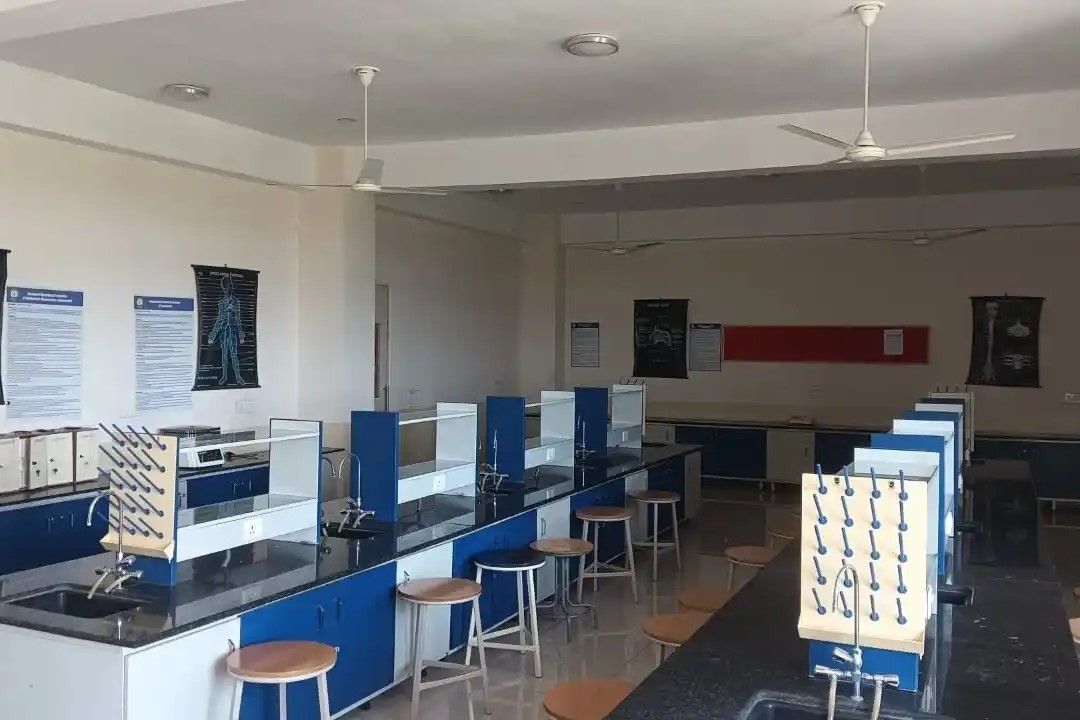
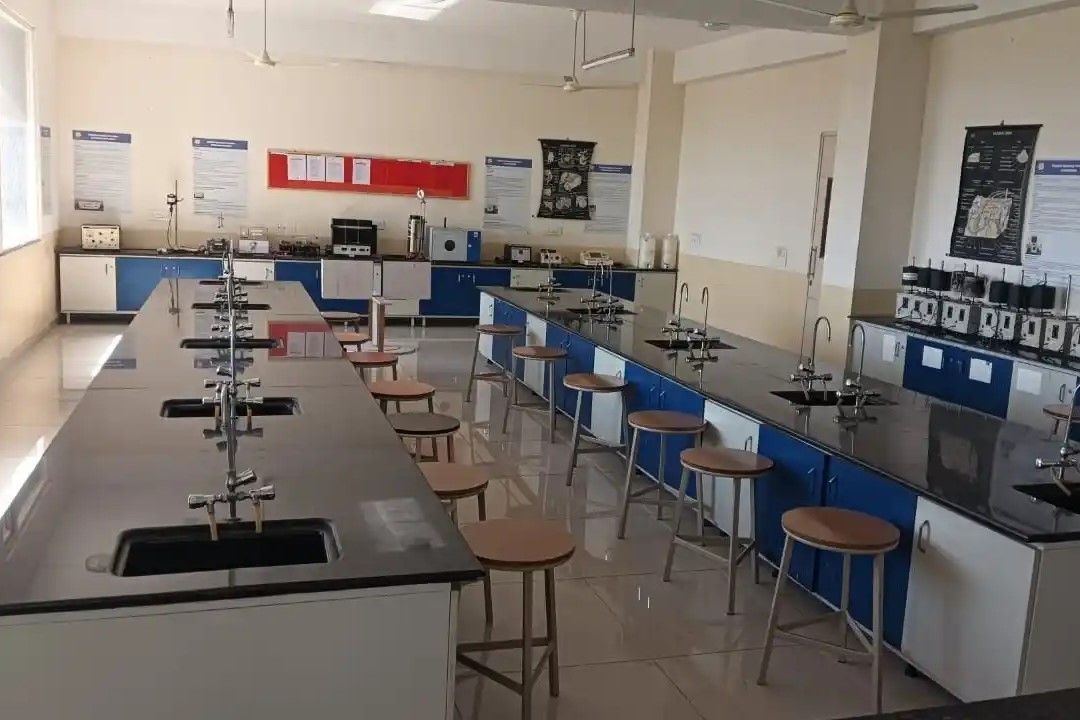
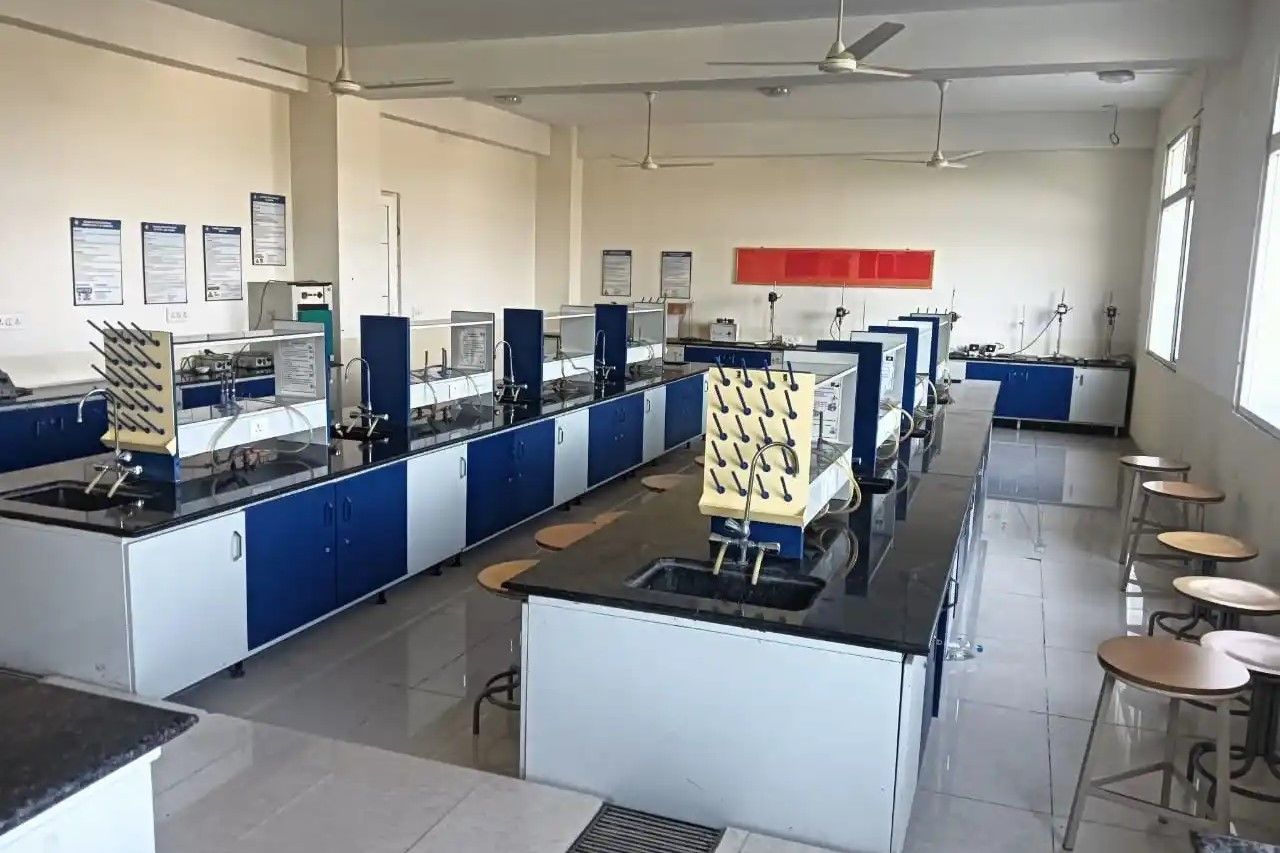
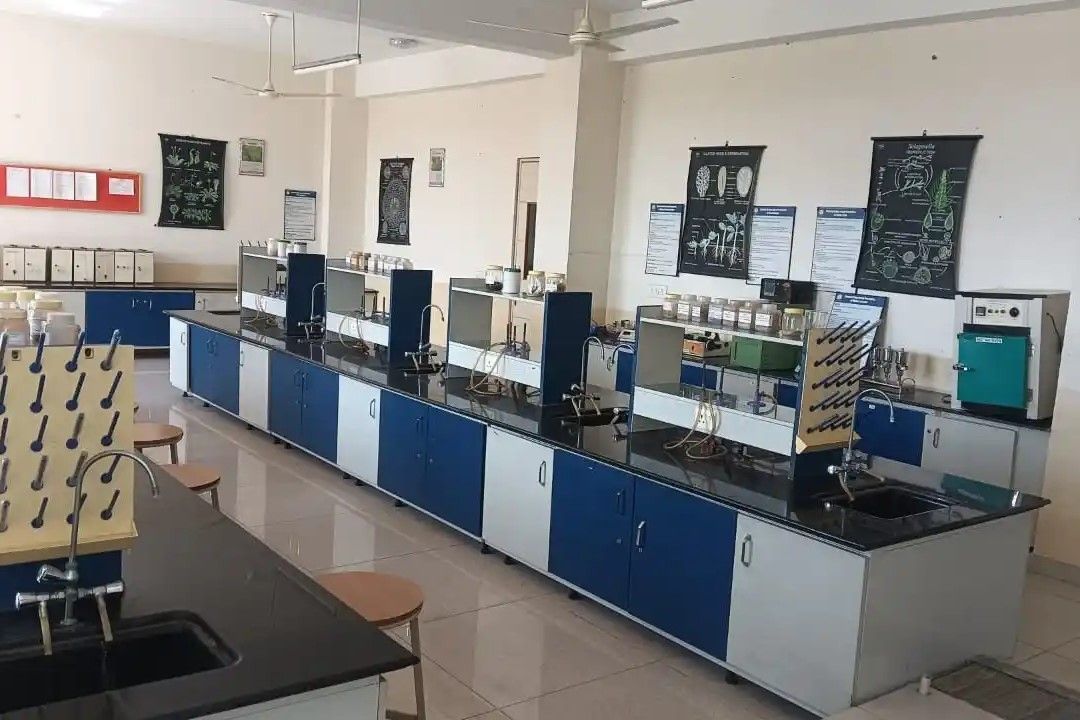
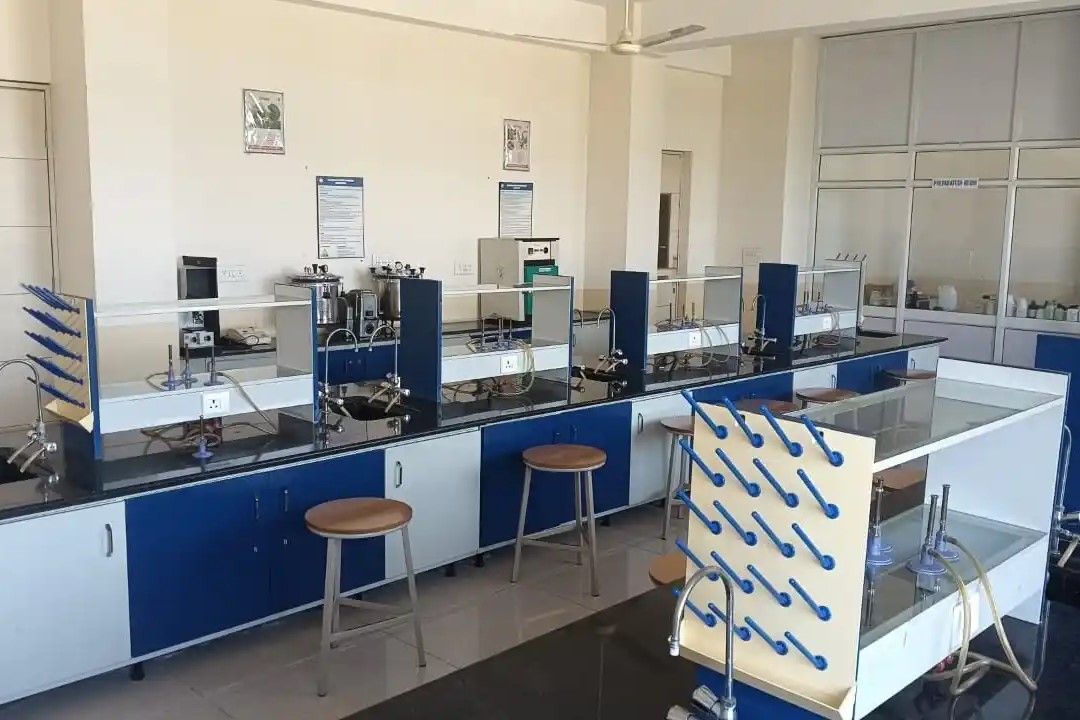
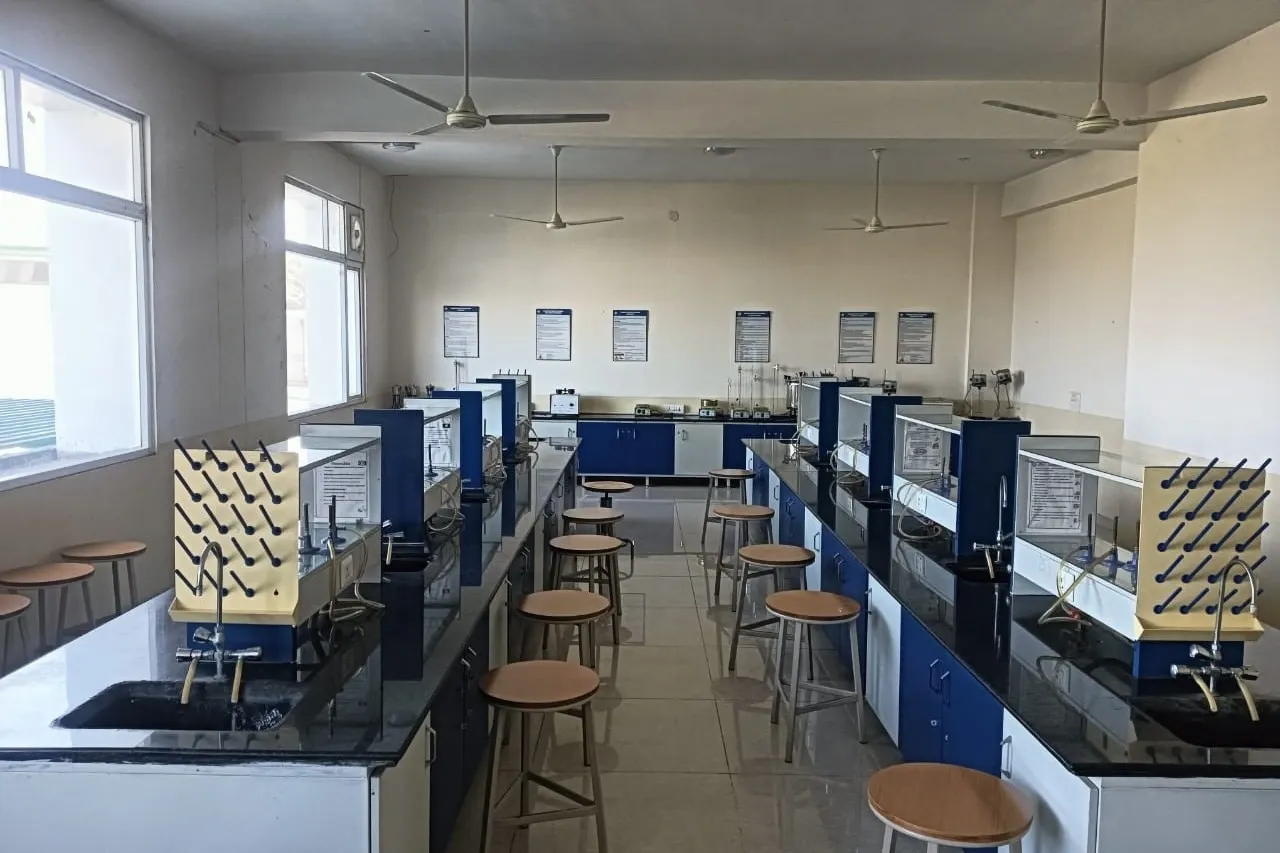
Labs and Facilities

Human Anatomy and Physiology Lab

Human Anatomy and Physiology Lab

Explore More
01
Pharmacology Lab

Pharmacology Lab

Explore More
02
Pharmaceutical Chemistry Lab

Pharmaceutical Chemistry Lab

Explore More
03
Pharmacognosy Lab

Pharmacognosy Lab

Explore More
04
Pharmaceutical Biotechnology Lab

Pharmaceutical Biotechnology Lab

Explore More
05
Pharmaceutics Lab

Pharmaceutics Lab

Explore More
06

Backed by the Legacy of CT Group, Driven by Proven Success

30000+

Placements

800+

Collaborations

1.2Cr

Highest Placement

1800+

Recruiters

1 Lac+

Alumni

40Cr

WORTH SCHOLARSHIP

Hear From Our Students

"

School of pharmaceutical Sciences has world class facilities to give the best possible knowledge to all students.