Apply Now Programmes Virtual Tour CT-SET 2026 Ph.D
Admissions
Open 2026-27
Apply now
Apply Now
Home  /  Programmes  /  Diploma in Pharmacy

Diploma in Pharmacy

Duration: 2 Years Category: After 12th/Diploma Programs

Programme Details

About the Programme

The D.Pharm program is designed for students who wish to enter the pharmaceutical industry at an early stage. It provides fundamental knowledge of drug formulation, dispensing and patient counseling, enabling graduates to work as registered pharmacists in hospitals, retail pharmacies and pharmaceutical industries.

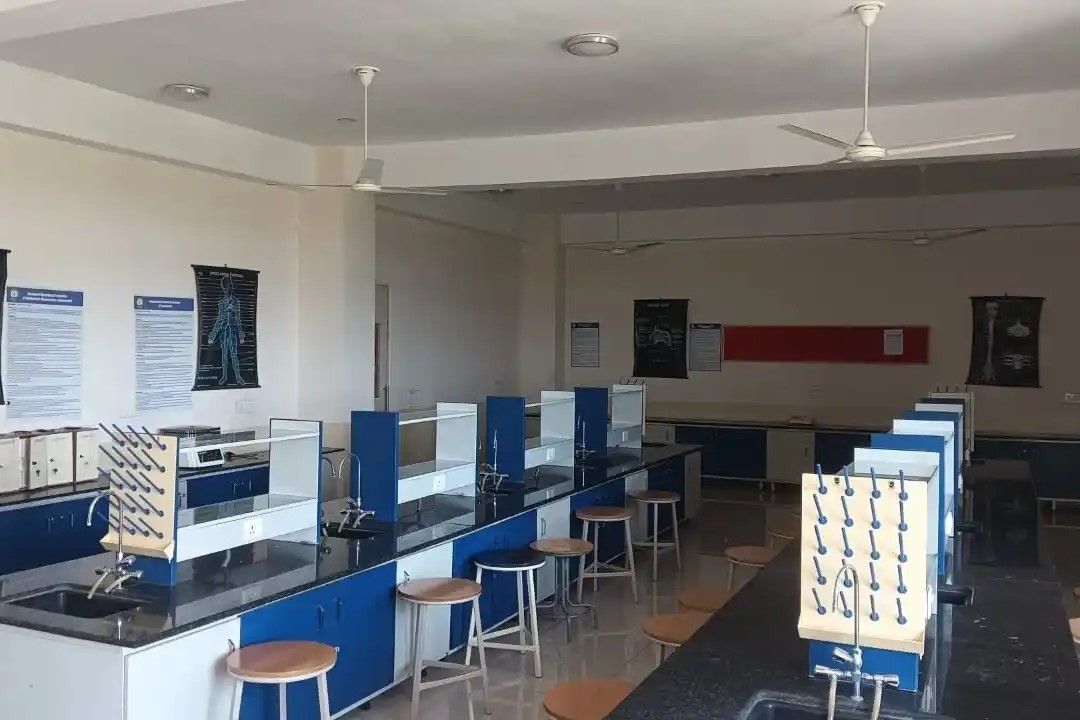
Industry Immersion

  • Training in community and hospital pharmacies.
  • Exposure to drug manufacturing processes.
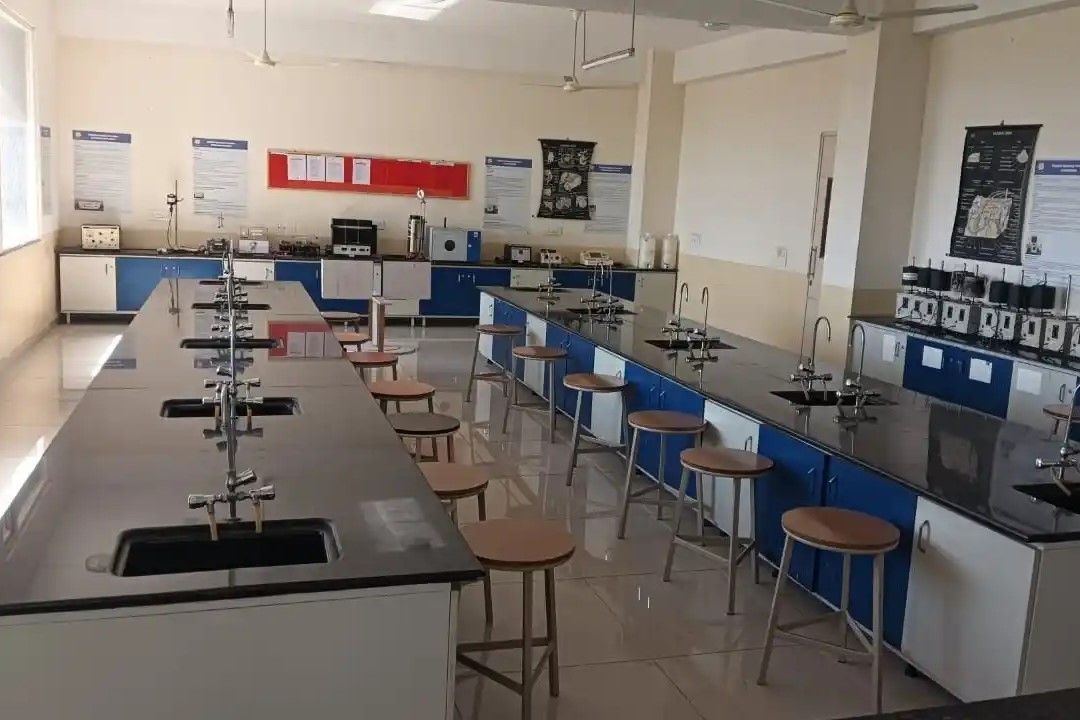
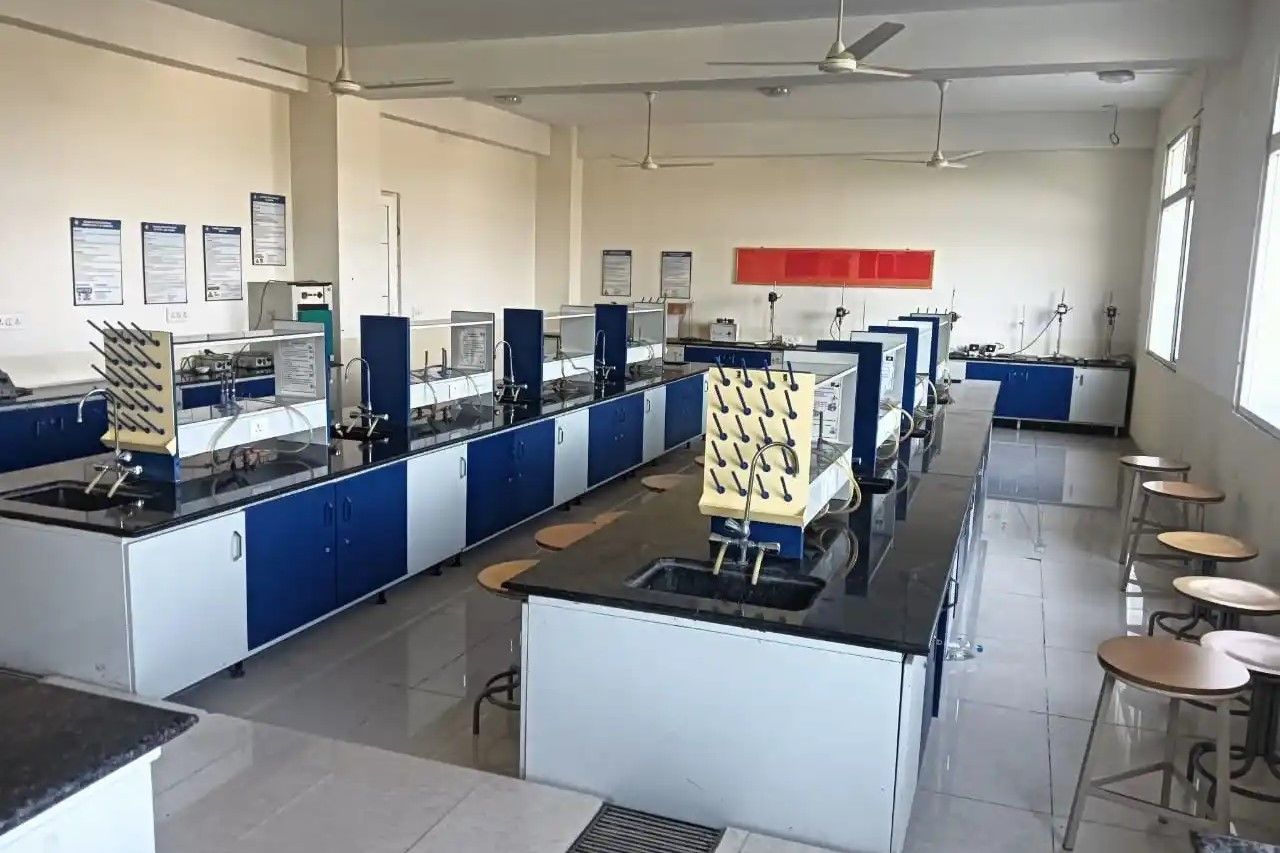
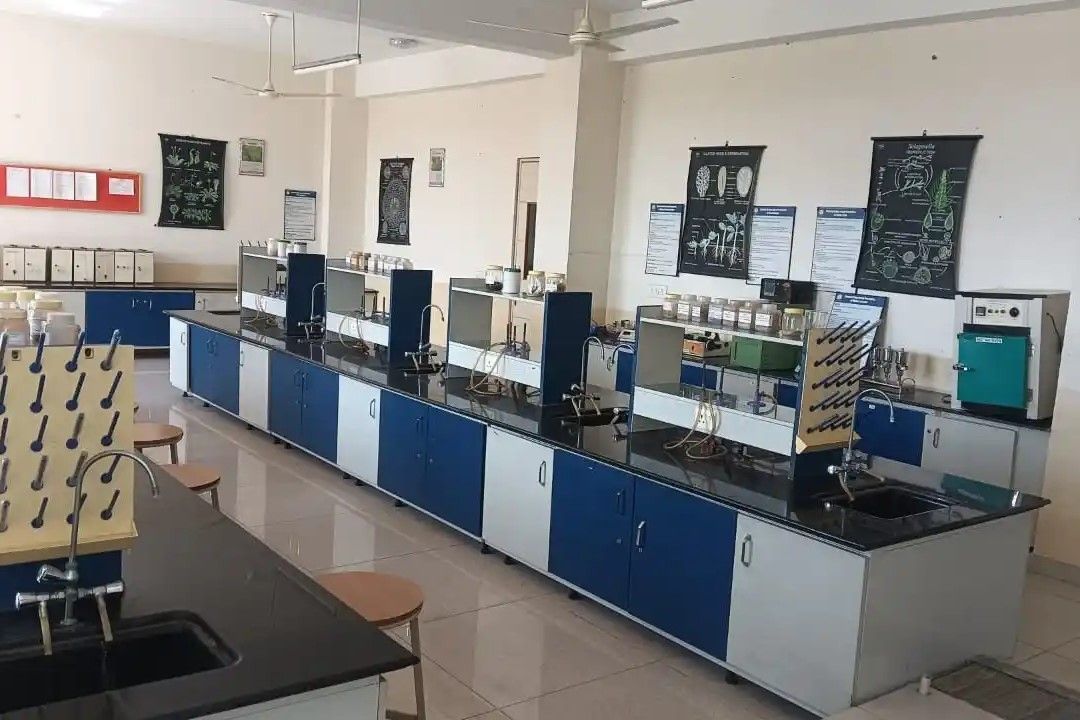
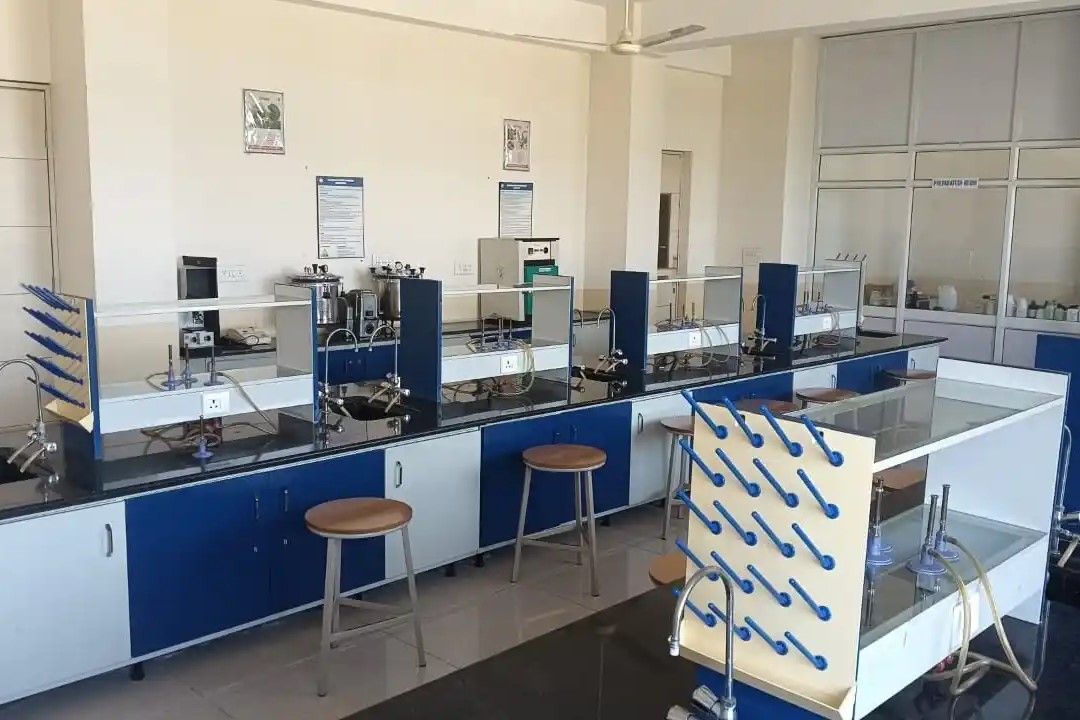
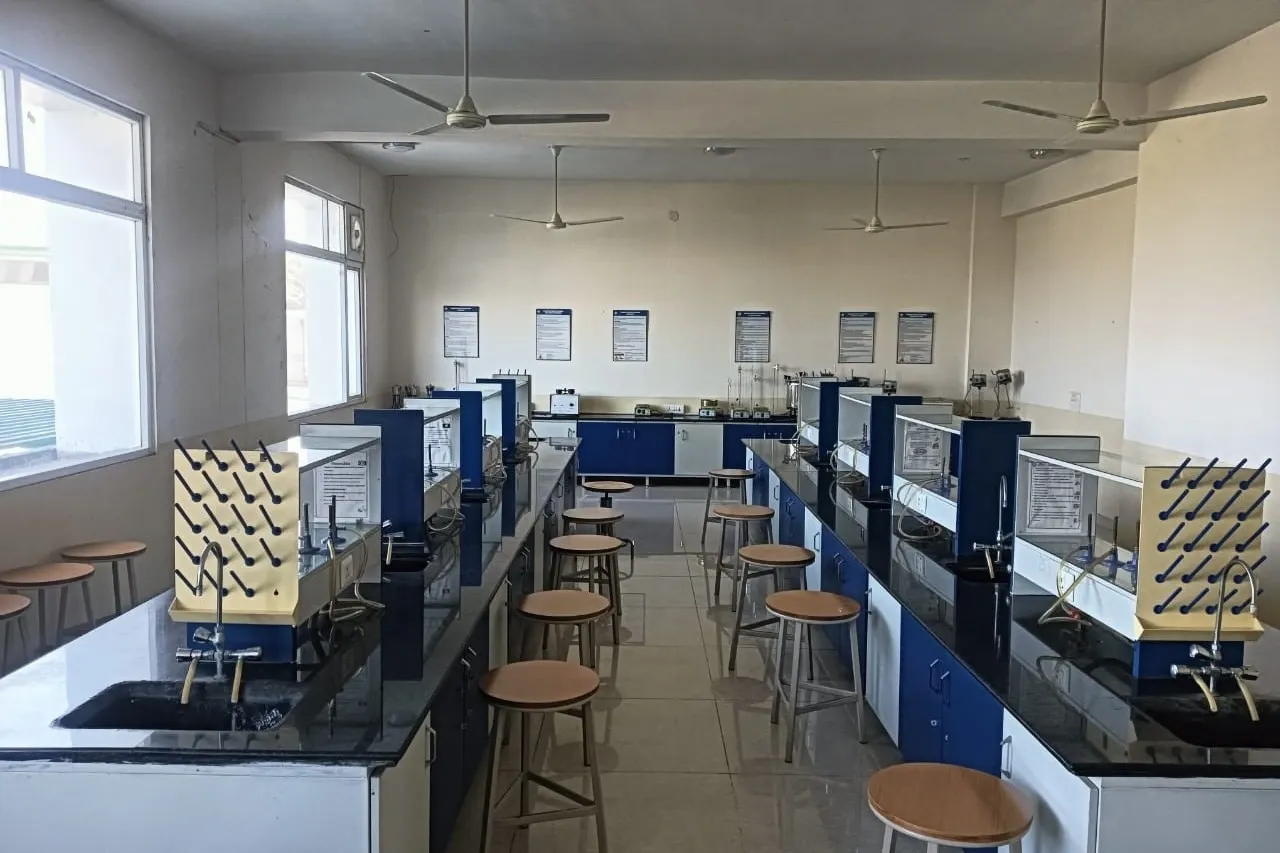
  • Practical sessions in pharmacy labs.

Eligibility Criteria

10+2 examination or equivalent in science (with Physics, Chemistry and Biology or Mathematics) Provided that the candidate has passed 10+2 in last 5 years at time of taking admission to D.Pharmacy Course (Passing Marking Required)

Register Now

Why Choose CT University

Why CT University is the Right Choice for Your Future

CT University Campus

At CT University, we combine industry-integrated learning and global academic partnerships, backed by the CT Group's 30+ year legacy, to prepare students for careers that actually last.

Industry-oriented
learning

Modern campus
facilities

Academic excellence &
mentorship

Global opportunities &
placements

Fee Structure & Scholarships

Program Fee Details

Fee Type Amount
Programme Fees (per Semester) ₹45000
Examination Fees ₹3000
International Fee (USD) $2700

Course Curriculum

1ST YEAR SUBJECTS

Covers the principles of dosage-form design, pharmaceutical materials, unit operations, manufacturing, quality control, GMP, calibration and validation.
Course Outcome:
CO1: Describe the evolution of pharmacy profession in India, including pharmacy education, regulatory bodies and pharmacopoeias.
CO2: Identify and explain various pharmaceutical materials and excipients used in packaging, preservation and formulation.
CO3: Understand and apply the principles of common unit operations in pharmaceutical manufacturing processes.
CO4: Classify and describe different pharmaceutical dosage forms including solid, liquid, semisolid, sterile and novel drug delivery systems.
CO5: Explain the basic structure and functioning of pharmaceutical manufacturing plants and apply concepts of quality control, assurance, GMP, calibration and validation.

Provides hands-on training in the formulation, dispensing, evaluation and quality control of pharmaceutical dosage forms and cosmetic preparations.
Course Outcome:
CO1: Understand the use of official references like pharmacopoeias, formularies and retrieval of monograph data.
CO2: Formulate and dispense various liquid dosage forms, emulsions and suspensions according to IP standards.
CO3: Prepare and evaluate semisolid dosage forms such as ointments, creams, gels and liniments.
CO4: Formulate and evaluate solid dosage forms and sterile preparations as per pharmacopoeial specifications.
CO5: Formulate basic cosmetic preparations and understand the principles behind their development.
CO6: Demonstrate proper usage, storage and quality control testing of pharmaceutical dosage forms.

Covers pharmaceutical analysis, inorganic and organic medicinal chemistry, impurities, analytical methods, drug properties and therapeutic applications.
Course Outcome:
CO1: Explain the scope of pharmaceutical chemistry, types and sources of errors and perform limit tests to identify impurities in pharmaceuticals.
CO2: Demonstrate understanding of principles and techniques of volumetric and gravimetric analysis applied in pharmaceutical chemistry.
CO3: Describe the properties, storage conditions, uses and formulations of various inorganic pharmaceutical substances including haematinics, GI agents, topical agents and dental products.
CO4: Interpret chemical names, structures, classification, uses and stability of organic medicinal compounds, especially those acting on the nervous, cardiovascular, endocrine and renal systems.
CO5: Classify and analyze various anti-infective, antibiotic and anti-cancer agents in terms of structure, mechanism of action, therapeutic use and popular formulations.

Provides practical training in pharmacopoeial limit tests, identification, volumetric analysis, pharmaceutical assays and basic organic preparation techniques.
Course Outcome:
CO1: Understand and perform limit tests for various inorganic substances as per IP.
CO2: Identify anions and cations using prescribed pharmacopoeial tests.
CO3: Apply principles of volumetric analysis in preparation, standardization and assay.
CO4: Execute pharmaceutical assays using various titrimetric methods accurately.
CO5: Perform basic preparative organic chemistry and test for purity and identity.
CO6: Understand and apply standard protocols for identification and purity tests.

Covers the sources, identification, evaluation, phytochemistry, therapeutic uses, quality control and applications of medicinal plants and crude drugs.
Course Outcome:
CO1: Describe the definition, history, classification and scope of pharmacognosy including the role of medicinal plants and traditional medicine systems.
CO2: Evaluate the quality control methods, adulteration detection and identification techniques of crude drugs and their active constituents.
CO3: Explain the biological sources, chemical constituents, therapeutic uses and pharmaceutical applications of major phytoconstituents and categories of crude drugs.
CO4: Understand the applications of plant fibers and surgical dressings, herbal formulations and cosmetics with their chemical constituents and therapeutic benefits.
CO5: Analyze the role of medicinal and aromatic plants in the national economy and describe phytochemical investigations along with the health benefits of herbs and nutraceuticals.

Provides practical training in the identification, microscopy and physicochemical evaluation of medicinal plants and crude drugs.
Course Outcome:
CO1: Identify and describe morphological characters of crude drugs.
CO2: Prepare and interpret transverse sections of medicinal plants.
CO3: Perform physical and chemical tests for evaluation of selected crude drugs.

Covers the structure and physiological functions of major human body systems, including skeletal, cardiovascular, respiratory, digestive, nervous, endocrine and reproductive systems.
Course Outcome:
CO1: Explain the scope of anatomy and physiology and define basic anatomical and physiological terminologies.
CO2: Describe the structure and functions of cells and various tissues in the human body.
CO3: Identify and explain the skeletal system, joints and disorders associated with them.
CO4: Understand the components and physiological functions of the hemopoietic and lymphatic systems.
CO5: Describe the anatomy and physiology of the cardiovascular, respiratory and digestive systems.
CO6: Explain the structure and function of the muscular and nervous systems including ANS and sense organs.
CO7: Illustrate the anatomy and physiological processes of the urinary, endocrine and reproductive systems.

Provides practical training in microscopy, tissue identification, blood analysis, vital-sign measurement and examination of human anatomical and physiological parameters.
Course Outcome:
CO1: Understand and operate compound microscope and general blood collection techniques.
CO2: Identify and examine microscopic structure of various human tissues.
CO3: Determine and analyze various blood parameters including blood group, ESR, hemoglobin content and blood counts.
CO4: Measure and interpret vital signs such as blood pressure, pulse rate, respiratory rate, body temperature and oxygen saturation.
CO5: Understand and describe the anatomy and physiology of major human body systems using charts, models and specimens.

Covers public health, preventive healthcare, immunization, nutrition, communicable diseases, national health programs, healthcare systems and pharmacoeconomics.
Course Outcome:
CO1: Explain social pharmacy, public health concepts, healthcare systems and national health policies.
CO2: Describe preventive healthcare, immunization, environmental health and substance abuse issues.
CO3: Discuss nutrition, food safety, nutraceuticals and dietary supplements.
CO4: Analyze communicable diseases, epidemiological concepts and the pharmacist’s role in public health.
CO5: Evaluate national health programs and healthcare delivery systems in India.
CO6: Explain the fundamentals and importance of pharmacoeconomics.

Provides practical training in health promotion, hygiene, first aid, immunization, disinfection, water quality, nutritional counselling and tobacco-cessation awareness.
Course Outcome:
CO1: Understand national immunization schedules, reproductive and child health programs and family planning devices.
CO2: Demonstrate knowledge of personal hygiene practices, oral health, menstrual hygiene and usage of PPE.
CO3: Perform first aid and basic life support techniques; manage medical emergencies and understand the pharmacist’s role in disaster management.
CO4: Identify and use marketed disinfectants, antiseptics and fumigating agents; demonstrate water purification and quality testing methods.
CO5: Develop effective health communication strategies using multimedia tools and conduct nutritional counseling and tobacco cessation awareness.

2ND YEAR SUBJECTS

Covers the pharmacological principles and therapeutic actions of drugs affecting the nervous, cardiovascular, respiratory, gastrointestinal, endocrine and other major systems.
Course Outcome:
CO1: Explain basic pharmacology and drugs acting on the peripheral nervous system and eye.
CO2: Describe drugs acting on the central nervous system and cardiovascular system.
CO3: Discuss drugs affecting blood, hematopoietic organs and the respiratory system.
CO4: Analyze drugs acting on the gastrointestinal tract, kidneys and endocrine system.
CO5: Evaluate autacoids, chemotherapeutic agents and biological products.

Provides practical exposure to experimental pharmacology, laboratory animal ethics, drug administration, preclinical methods, virtual experiments and isolated-tissue studies.
Course Outcome:
CO1: Understand the ethical, regulatory and methodological aspects of working with laboratory animals (mice, rats, guinea pigs, rabbits) in experimental pharmacology.
CO2: Gain knowledge of commonly used experimental pharmacology instruments and various routes of drug administration in preclinical research.
CO3: Differentiate between types of preclinical experiments (in-vivo, in-vitro, ex-vivo) and understand techniques for blood collection in animals.
CO4: Perform virtual experiments (using software) to study pharmacological effects such as analgesic, anticonvulsant, anxiolytic, mydriatic, miotic, CNS stimulant/depressant and local anesthetic actions.
CO5: Apply experimental techniques to assess drug effects on isolated tissues (e.g., heart, frog buccal cilia) and conduct specialized tests like pyrogen testing, using simulation tools.

Covers community pharmacy practice, prescription handling, dispensing, patient counselling, medication adherence, health screening, inventory and pharmacy management.
Course Outcome:
CO1: Understand the development, roles and professional responsibilities of community pharmacists, including Good Pharmacy Practices (GPP) and Standard Operating Procedures (SOPs).
CO2: Explain prescription components, handling, labelling, dispensing processes and apply strategies to minimize dispensing errors.
CO3: Develop effective communication and patient counselling skills, addressing chronic diseases, barriers to counselling and the use of Patient Package Inserts (PPI) and Patient Information Leaflets (PIL).
CO4: Understand medication adherence, its influencing factors and design strategies to improve patient compliance, alongside delivering health screening services in the community setting.
CO5: Manage community pharmacy operations, including legal and site requirements, inventory control, financial management, use of pharmacy software, customer relations and integration of digital health and online pharmacy services.

Provides practical training in prescription review, health screening, patient counselling, minor-ailment management, dosage administration and digital pharmacy services.
Course Outcome:
CO1: Prescription review, legal compliance, drug interactions, dispensing labels.
CO2: Blood pressure, blood glucose, BMI, pulse oximetry, lung function assessment.
CO3: Patient counselling, diabetes, hypertension, asthma, inhalers, insulin pens.
CO4: Minor ailments, medication counselling, self-care, patient education.
CO5: Dosage form administration, community pharmacy software, digital health tools.

Covers biochemical principles, biomolecules, enzymes, metabolism, vitamins, minerals, metabolic disorders and interpretation of clinical laboratory investigations.
Course Outcome:
CO1: Carbohydrates, proteins, lipids, amino acids, biochemical functions, qualitative tests.
CO2: DNA, RNA, enzymes, enzyme inhibition, biotechnology.
CO3: Vitamins, glycolysis, TCA cycle, lipid metabolism, protein metabolism, metabolic disorders.
CO4: Minerals, water balance, electrolytes, dehydration, oral rehydration therapy.
CO5: Biotechnology, liver function tests, kidney function tests, lipid profile, blood and urine pathology.

Provides practical training in qualitative and quantitative biochemical analysis, urine examination, enzyme studies and interpretation of physiological and pathological findings.
Course Outcome:
CO1: Perform qualitative analysis to detect carbohydrates, proteins, amino acids, lipids and identify normal and abnormal constituents in urine.
CO2: Quantitatively determine key biomolecules (glucose, creatinine, chlorides) in urine and (simulated) blood/serum samples.
CO3: Understand the biochemical significance and clinical relevance of the detected biomolecules in health and disease.
CO4: Study enzyme activity through the hydrolysis of starch by acid and salivary amylase, understanding factors affecting enzymatic reactions.
CO5: Apply practical biochemical techniques and interpret results to assess physiological and pathological conditions.

Covers rational pharmacotherapy and clinical management of cardiovascular, respiratory, endocrine, CNS, gastrointestinal, infectious, dermatological, psychiatric and other disorders.
Course Outcome:
CO1: Explain rational pharmacotherapy and management of cardiovascular diseases.
CO2: Discuss pharmacotherapy of respiratory, endocrine and CNS disorders.
CO3: Analyze treatment approaches for gastrointestinal, hematological, infectious and musculoskeletal diseases.
CO4: Evaluate management of dermatological and psychiatric disorders.
CO5: Apply pharmacotherapeutic principles to ophthalmic diseases, antimicrobial resistance and women's health.

Provides practical training in clinical case analysis, pharmacotherapeutic management, patient counselling, dose calculations and pharmaceutical care for common diseases.
Course Outcome:
CO1: Hypertension, angina, myocardial infarction, cardiovascular pharmacotherapy.
CO2: Hyperlipidaemia, rheumatoid arthritis, asthma management.
CO3: COPD, diabetes mellitus, epilepsy, therapeutic monitoring.
CO4: Stroke, depression, tuberculosis, anaemia, patient management.
CO5: Patient counselling, dose calculations, clinical case analysis, pharmaceutical care.

Covers hospital pharmacy organization, drug procurement and distribution, clinical pharmacy services, laboratory interpretation, pharmacovigilance, medication errors and patient safety.
Course Outcome:
CO1: Understand the organizational structure, scope and professional standards of hospital pharmacy practice, both nationally and internationally.
CO2: Explain the roles and functions of various hospital committees, including the Pharmacy and Therapeutics Committee and the development of hospital formularies.
CO3: Apply principles of drug procurement, inventory control, storage and distribution within hospital settings, including special handling of high-risk and restricted medications.
CO4: Demonstrate knowledge of clinical pharmacy services such as ward rounds, treatment chart review, ADR monitoring, medication counseling and drug information services.
CO5: Interpret clinical laboratory test results and understand pharmacovigilance principles, medication errors and drug interactions to ensure patient safety and optimize therapeutic outcomes.

Provides practical training in drug-information retrieval, laboratory report interpretation, ADR reporting, medical devices, wound care, vaccination, injections and pharmacy software.
Course Outcome:
CO1: Develop the ability to efficiently search, evaluate and utilize drug information from primary, secondary and tertiary resources to answer clinical queries.
CO2: Interpret clinical laboratory reports accurately to assist in optimizing pharmacotherapy for various patient cases.
CO3: Gain proficiency in Adverse Drug Reaction (ADR) reporting, including filling out IPC forms and performing causality assessments using standard scales.
CO4: Demonstrate practical knowledge of medical aids and devices used in hospital settings, including orthopedic aids, bandages, syringes, catheters and respiratory equipment.
CO5: Acquire hands-on experience in clinical skills such as wound dressing, vaccination techniques, injection administration and the use of hospital pharmacy software for improved patient care.

Covers pharmacy laws, drug regulation, licensing, controlled substances, ethics, patents, clinical trials, pricing, biomedical waste, consumer protection and medical-device legislation.
Course Outcome:
CO1: Explain pharmacy laws, regulations, licensing procedures and drug regulatory requirements.
CO2: Describe laws governing narcotics, advertisements and animal ethics in pharmaceutical practice.
CO3: Discuss food safety, drug pricing, pharmaceutical ethics and healthcare-related legislation.
CO4: Analyze regulatory systems, drug development, patents, clinical trials and blood bank regulations.
CO5: Evaluate legal and ethical aspects of healthcare practice, biomedical waste, consumer protection and medical devices.

Program Outcomes & Features

Program Outcomes

  • Able to utilize basic knowledge of pharmaceutical sciences associated with the profession of pharmacy, along with understanding of behavioral, social and administrative pharmacy sciences; along with good manufacturing practices related to pharmaceuticals.
  • Able to appreciate planning abilities including effective demonstration with context to regulatory aspects of dosage form design and critical analysis of drug use policy to promote drug discovery, its distribution and cost-effective safe use of pharmaceuticals.
  • Able to apply cognitive skills, investigative approach, creative thinking to evaluate and interpret data related to preclinical and clinical testing of pharmaceuticals and drugs, laboratory investigations, pharmaceutical care and practices. 
  • Able to perform and engage professionally and as multidisciplinary team member at different areas of professional practice. Understand and consider motivation issues, leadership and team-building while fulfilment of practice, professional and societal responsibilities.
  • Able to analyze the problem to address issues at professional care practice along with understanding, analysis and communicating the value of their professional roles in society including manufacturing, quality control and quality assurance of pharmaceuticals. Apply ethical principles in professional and social contexts. Use ethical frameworks while making decisions and take responsibility for the outcomes associated with the decisions.
  • Able to converse, write, interpret and interact effectively and scientifically for efficient professional practice in pharmaceutical industry. Communicate effectively with the pharmacy community and with society at large, make effective documentation.
  • Able to apply knowledge on ethical practices, moral integrity and human values in personal and professional endeavors. Apply reasoning according to the contextual knowledge to assess societal, health, safety and legal issues and the consequent responsibilities relevant to the professional pharmacy practice.
  • Able to embark upon lifelong professional learning to adapt to ever changing professional and health care scenario related to manufacturing, quality control and quality assurance of pharmaceuticals and biologicals belonging to different schedules of Drug and Cosmetic Act. 
  • Able to assimilate modern approaches to quality professional practice in the field of pharmacy
    Understand the impact of the professional pharmacy solutions in societal and environmental contexts.
  • Able to serve society and practice pharmacy in hospitals and pharmaceutical industry, comprehending the profound knowledge of pharmacy practice.
  • Able to distinguish professional impact within local, national and global perspectives and can assess societal, health and safety issues related to pharmacy profession.

Program Specific Outcomes

  • Understanding and applying basic knowledge gained in pharmaceutical chemistry, pharmacology, pharmaceutics, pharmacognosy and computer technology in pharmacy profession along with technological innovations in the field of pharmacy.
  • Develop required skills in extraction of crude drugs, formulation of drugs, synthesis and isolation of active pharmaceutical ingredients, preclinical testing of drugs and natural biomarkers as well as overcoming potential incompatibilities and behavior of drugs in human.
  • Understanding and communicate ethical values of the pharmacy law and pharmaceutical jurisprudence & research with commitment to societal welfare. Significance of communication skills, leadership qualities and other required soft skills for professional achievement.
  • Capabilities for value added services and systems relating to industrial pharmacy, pharmaceutical marketing, regulatory aspects, community pharmacy retail pharmacy and wholesale pharmacy setups. 
  • To develop a sense of professional responsibility and be able to master, generate, interpret and disseminate the knowledge of pharmaceutical care.
  • Acquire knowledge in the field of synthetic, natural sources of drugs and biological products as well as their formulation and evaluation, following their regulatory requirements.
  • Enable graduate to stream a lifelong career of personal and practicing pharmacy professional with ethical codes and self-esteem.

Salient Features

  • Programme knowledge and its application: To empower graduates with knowledge and practice of pharmaceutical sciences across the discipline through ambience of motivation that could impel excellence and career growth in pharmacy profession, contributing in manufacturing, quality control and quality assurance of pharmaceuticals
  • Professional skills and their application: To enhance practical-based skills to meet professional challenges specifically related to pharmaceutical industry and hospital pharmacy.
  • Engagement with the needs of society: To foster graduates to leadership and entrepreneurship qualities to serve as qualified personnel in pharmaceutical industry and health care system.
  • Lifelong learning: To spur graduates in interpersonal skills, to value professional integrity and pharmacy ethics and accustomed to lifelong learning
  • Social accountability and responsibility: To appreciate local and global needs of health care and pharmacy profession with specific focus towards skills and will to make and serve quality pharmaceuticals
  • Pharmacy practice: As a qualified pharmacist, using the fundamentals of pharmaceutical sciences for ethical practice in hospital pharmacy, retail pharmacy, wholesale pharmacy and pharmaceutical industry.

Labs and Facilities

Human Anatomy and Physiology Lab

Human Anatomy and Physiology Lab

Explore More
01
Pharmacology Lab

Pharmacology Lab

Explore More
02
Pharmaceutical Chemistry Lab

Pharmaceutical Chemistry Lab

Explore More
03
Pharmacognosy Lab

Pharmacognosy Lab

Explore More
04
Pharmaceutical Biotechnology Lab

Pharmaceutical Biotechnology Lab

Explore More
05
Pharmaceutics Lab

Pharmaceutics Lab

Explore More
06

Backed by the Legacy of CT Group, Driven by Proven Success

30000+

Placements

800+

Collaborations

1.2Cr

Highest Placement

1800+

Recruiters

1 Lac+

Alumni

40Cr

WORTH SCHOLARSHIP

Hear From Our Students

"

School of pharmaceutical Sciences has world class facilities to give the best possible knowledge to all students.