Apply Now Programmes Virtual Tour CT-SET 2026 Ph.D
Admissions
Open 2026-27
Apply now
Apply Now
Home  /  Programmes  /  Diploma in Culinary Arts

Diploma in Culinary Arts

Duration: 2 Years Category: After 12th/Diploma Programs

Programme Details

About the Programme

Diploma in Culinary Arts is a Diploma program of two-year duration and is divided into four semesters. The program covers various aspects of food preparation, cooking techniques, kitchen management, food safety and menu planning. Students gain hands-on experience through practical training in professional kitchens, preparing them for roles in restaurants, hotels and catering services.

Eligibility Criteria

10+2 or equivalent in any stream with English as a compulsory subject from a recognized board/University and having atleast 45% marks

Candidates with 10+2 certification from Hunar Sikhiya School (HSS) are also eligible.

Register Now

Why Choose CT University

Why CT University is the Right Choice for Your Future

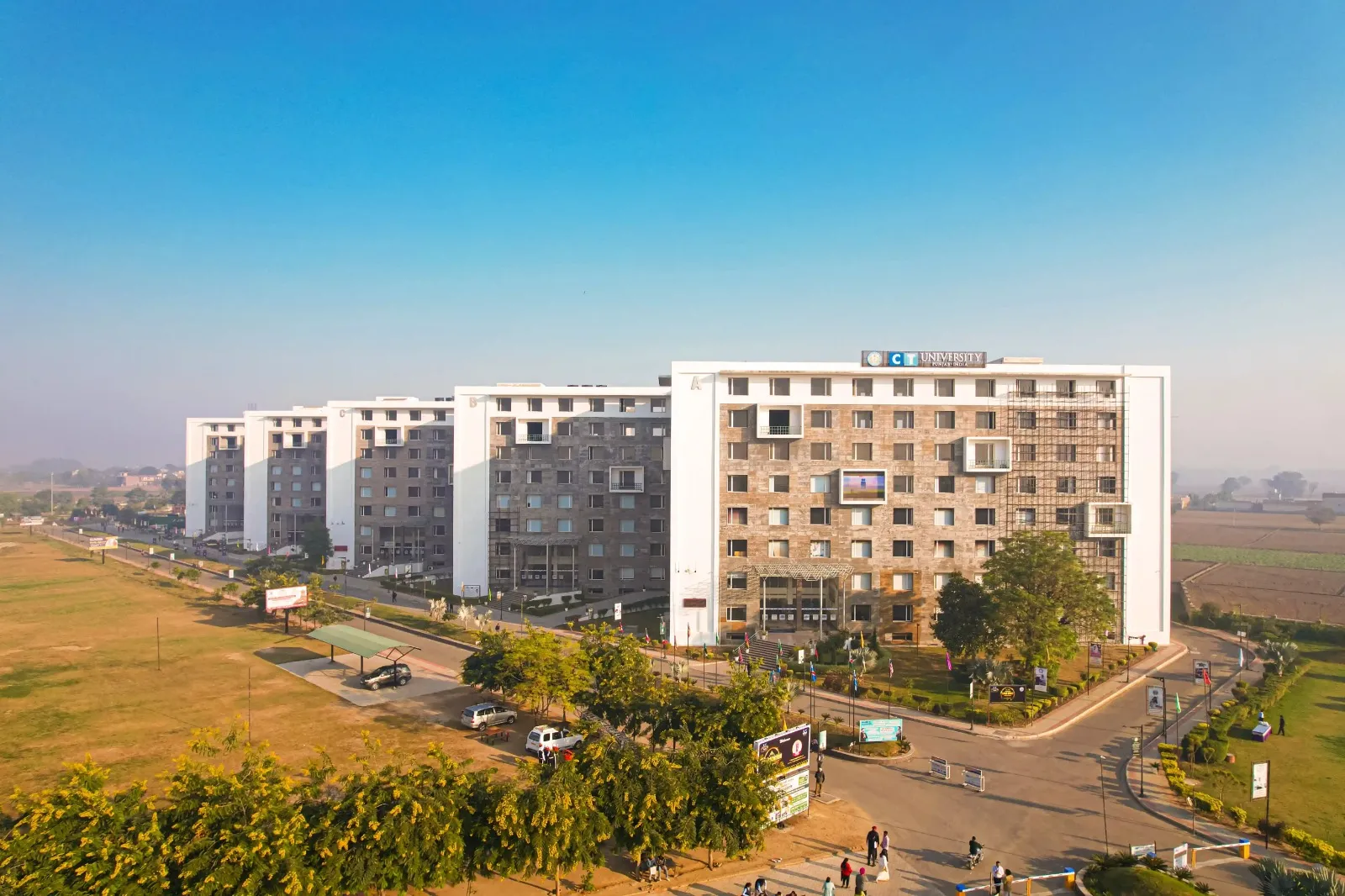
CT University Campus

At CT University, we combine industry-integrated learning and global academic partnerships, backed by the CT Group's 30+ year legacy, to prepare students for careers that actually last.

Industry-oriented
learning

Modern campus
facilities

Academic excellence &
mentorship

Global opportunities &
placements

Fee Structure & Scholarships

Program Fee Details

Fee Type Amount
Programme Fees (per Semester) ₹65000
Examination Fees ₹3000
International Fee (USD) $2500

Merit Based Scholarship Scheme

Unlock up to 90% Scholarship through CTSET, with scholarships worth Rs 40 Crore! Get access to top-quality education at CT University, Ludhiana — without the financial burden.

Slab >=60% - 74.99% >=75% - 89.99% >=90% & Above
Fee ₹60000 ₹55000 ₹50000

Students can avail these slots depending on the marks they have scored. Each slot reflects a different academic range, helping students understand where they stand and what benefits they qualify for.

Course Curriculum

1ST SEMESTER SUBJECTS

Introduces the basic principles, organization, equipment, ingredients, cooking methods, safety and operational procedures of a professional kitchen.
Course Outcome:
CO1: Demonstrate understanding of professional kitchen setup, hygiene practices and equipment handling.
CO2: Apply knowledge of fuel types, fire safety procedures and basic first aid in a kitchen environment.
CO3: Identify, select and store various cooking commodities used in food preparation.
CO4: Execute different methods of cooking using appropriate tools and technologies, adhering to safety standards.
CO5: Prepare and classify basic stocks and salads with proper techniques and presentation.
CO6: Prepare, classify and evaluate soups and sauces, including mother sauces and their derivatives.

Provides hands-on training in basic kitchen operations, mise en place, cooking techniques, equipment handling, food preparation and hygienic work practices.
Course Outcome:
CO1: Handle Knives and other equipment
CO2: Identify various cuts of vegetables
CO3: Recognize the various cooking methods
CO4: Prepare basic stocks, soups and salads
CO5: Identify the basic ingredients of mother sauces and able to prepare mother sauces

Introduces the scientific principles of food, nutrients, food composition, digestion and balanced nutrition for healthy living and professional food production.
Course Outcome:
CO1: Understand basics of nutrition, food classification and their role in health.
CO2: Classify carbohydrates and explain their structure, sources and needs.
CO3: Identify types and sources of proteins and their health impact.
CO4: Explain fats' types, structure, functions and daily requirements.
CO5: Understand functions and sources of key vitamins and minerals.
CO6: Classify dietary fiber and manage water balance in the diet.

Provides an integrated introduction to major hotel departments, their functions, interdepartmental coordination, service standards and basic operational practices.
Course Outcome:
CO1: Identify and operate Front Office equipment and procedures.
CO2: Demonstrate professional guest communication via telephone and face‑to‑face.
CO3: Manage key control, guest billing and check‑in/out using PMS.
CO4: Plan and execute standard F&B service including beverage handling and event setups.
CO5: Perform housekeeping operations—room preparation, cleaning and supply management—with attention to hygiene and inspection.

Introduces basic bakery principles, ingredients, equipment, methods of preparation, baking processes and production of common bakery products.
Course Outcome:
CO1: Understand baking principles, oven types and equipment usage.
CO2: Identify and apply key baking ingredients and their functions.
CO3: Prepare various breads, using correct methods and troubleshooting faults.
CO4: Make sponges and cakes with proper techniques and textures.
CO5: Create puff pastry, Danish pastry and croissants using laminating methods.
CO6: Apply baking knowledge to produce a variety of creative bakery items.

Develops practical skills in preparing, baking, decorating and presenting basic bakery products using appropriate ingredients, equipment and techniques.
Course Outcome:
CO1: Demonstrate Professional Hygiene and Grooming Standards
CO2: Identify and Handle Kitchen Equipment Safely
CO3: Apply Ingredient Knowledge in Food Preparation
CO4: Execute Fundamental and Advanced Baking Skills
CO5: Perform Bread Shaping, Proofing and Baking Procedures

Develops knowledge and practical skills in safe food handling, personal hygiene, sanitation, contamination prevention, storage and food safety practices.
Course Outcome:
CO1: Demonstrate chef/F&B personal hygiene protocols.
CO2: Identify and mitigate biological, chemical and physical food hazards.
CO3: Design and apply HACCP and GHP/GMP systems in food operations.
CO4: Interpret and apply Indian (FSSAI) and international food safety laws.
CO5: Conduct food quality evaluation: sensory, microbiological and physical.

Develops foundational English language and communication skills for academic, professional and interpersonal interactions in hospitality and related industries.
Course Outcome:
CO1: Use standard English aptly in listening, speaking and communicative situations
CO2: Write error-free sentences and short texts in English Language
CO3: Comprehend reading passages effectively
CO4: Demonstrate use of apt and relevant vocabulary at lower intermediate to intermediate level
CO5: Develop effective oral presentation skills, including audience analysis and body language
CO6: Apply audio-visual aids to enhance communication and improve pronunciation

Introduces principles of physical fitness, healthy lifestyles, wellness and sports nutrition to promote personal health and professional well-being.

2ND SEMESTER SUBJECTS

Explores the diverse culinary traditions, ingredients, cooking techniques, food cultures and regional specialties of major regions of India.
Course Outcome:
CO1: Understand the fundamentals, heritage and diversity of Indian regional cuisine.
CO2: Explore traditional Indian sweets, festive foods and their cultural significance.
CO3: Identify regional cuisines of North, Central and community-based culinary traditions.
CO4: Analyze South, West and East Indian cuisines, their key ingredients and techniques.
CO5: Apply traditional Indian cooking methods like dum and tandoor in practical contexts.
CO6: Examine tribal cuisines and modern interpretations of regional Indian dishes.

Provides practical training in the preparation, presentation and evaluation of traditional dishes from different regions of India using authentic ingredients and techniques.
Course Outcome:
CO1: Prepare foundational Indian gravies and North Indian dishes using regional techniques.
CO2: Demonstrate proficiency in diverse Indian regional dishes including Bihar, Awadh and Maharashtrian cuisines.
CO3: Execute South Indian culinary preparations with traditional methods and accompaniments.
CO4: Create West Indian regional specialties, showcasing traditional flavors and techniques.
CO5: Recreate iconic dishes from East India and popular Indian street food varieties.
CO6: Display competence in Indian breakfast preparations and practical culinary assessments.

Introduces the principles, ingredients, techniques, equipment and production methods used in professional baking and patisserie.
Course Outcome:
CO1: Apply advanced fermentation and dough techniques in baking.
CO2: Operate and maintain advanced bakery equipment effectively.
CO3: Analyse and utilize specialty ingredients to improve product quality.
CO4: Prepare a variety of international breads and laminated pastries.
CO5: Assemble, decorate and present multi-layered cakes and plated desserts.
CO6: Understand and apply bakery management practices including costing, hygiene and innovation.

Develops practical skills in preparing, baking, decorating, presenting and evaluating a range of bakery and patisserie products.
Course Outcome:
CO1: Identify and store baking ingredients using proper tools and sensory evaluation.
CO2: Maintain hygiene through effective cleaning, sanitizing and storage practices.
CO3: Prepare sponge and tea-time cakes using basic baking techniques.
CO4: Make quick breads, short crust pastries and cookies.
CO5: Apply basic garnishing and chocolate decoration techniques.
CO6: Create advanced and healthy baked items like Swiss rolls, éclairs and millet cakes.

Develops knowledge of food commodities, purchasing, quality assessment, yield, portion control, recipe costing, food cost calculation and cost management.
Course Outcome:
CO1: Classify various food commodities and describe their uses in cookery.
CO2: Explain the significance of costing, cost types and apply basic cost control procedures in food operations.
CO3: Identify different food commodity groups and their applications in culinary preparation.
CO4: Describe the characteristics and culinary roles of foundation ingredients, including convenience foods.
CO5: Apply principles of portion control and storage to manage food cost effectively.
CO6: Develop and analyze menus considering nutrition, cost-effectiveness, popularity and modern trends.

Enhances English communication skills through practice in speaking, listening, reading, writing, presentations and professional workplace interactions.
Course Outcome:
CO1: Apply effective grammatical structures in English Language for speaking and writing
CO2: Utilize effective note-making techniques in English Language
CO3: Effectively summarize and paraphrase texts in English Language
CO4: Demonstrate use of apt and relevant vocabulary at intermediate to upper-intermediate level
CO5: Employ cohesive and coherent discourse in English communication
CO6: Produce well-organized written and spoken texts in English Language

Develops awareness of environmental systems, natural resources, biodiversity, pollution, conservation and sustainable development practices.
Course Outcome:
CO1: Apply interdisciplinary approach to understand key environmental issues and critically analyse them to explore the possibilities to mitigate these problems.
CO2: Reflect critically about their roles and identities as citizens, consumers and environmental actors in a complex, interconnected world.
CO3: Enable students to develop an understanding of various ecological processes and how humans have impacted them.
CO4: To develop a critical thinking about the effect of increasing population in the environment.

Develops essential employability skills including communication, teamwork, leadership, problem-solving, time management, professionalism and workplace etiquette.
Course Outcome:
CO1: Prepare their résumé on an appropriate template without any grammatical and other errors, using proper syntax
CO2: Participate in a simulated interview
CO3: Actively participate in group discussions towards gainful employment
CO4: Capture a self-interview simulation video regarding the concerned job or role
CO5: Enlist the common errors generally made by candidates in an interview
CO6: Participate in Presentation Skills

Introduces patents, copyrights, trademarks, designs and other intellectual property concepts while developing awareness of protecting creative and innovative works.

3RD SEMESTER SUBJECTS

Explores the culinary traditions, ingredients, cooking methods, food culture and signature dishes of major international cuisines.
Course Outcome:
CO1: Identify the ingredients and equipment used in Chinese cuisine
CO2: Discuss the various cooking styles of France
CO3: Describe the regional cooking styles of Italy
CO4: Outline the ingredients and regional dishes of Japanese cuisine
CO5: Interpret the cooking styles and staple food of Mexican cuisine
CO6: State the methods of cooking and dishes of Thai cuisine

Provides hands-on training in preparing, presenting and evaluating dishes from major international cuisines using authentic techniques and ingredients.
Course Outcome:
CO1: Identify the ingredients and equipment used in the preparation of Chinese food
CO2: Demonstrate the preparation of Mexican dishes
CO3: Prepare the regional delicacies of French and Italian cuisine
CO4: Demonstrate the preparation of Japanese and Thai dishes

Develops skills in menu planning, design, pricing, analysis, profitability, customer preferences and menu engineering techniques for food service operations.
Course Outcome:
CO1: Identify the ingredients and equipment used in the preparation of Chinese food
CO2: Demonstrate the preparation of Mexican dishes
CO3: Prepare the regional delicacies of French and Italian cuisine
CO4: Demonstrate the preparation of Japanese and Thai dishes

Develops advanced knowledge of baking and patisserie techniques, ingredients, production processes, product development, finishing and professional presentation.
Course Outcome:
CO1: Explain the history, classification, characteristics and preparation principles of various pastry products, fillings, creams and custards used in patisserie.
CO2: Describe the principles of confectionery production, sugar cookery techniques, stages of sugar boiling and decorative sugar work applications.
CO3: Demonstrate knowledge of chocolate composition, processing, tempering methods, decorative applications and storage of chocolate products.
CO4: Apply principles of plated dessert preparation, flavour balance, presentation techniques and dessert menu planning in hospitality operations.
CO5: Analyze contemporary trends in baking and patisserie, including healthy baking, sustainable practices, fusion desserts and technological innovations.
CO6: Explain the fundamentals of bakery entrepreneurship, business establishment, licensing requirements, operational planning and marketing strategies for bakery enterprises.

Provides practical training in advanced bakery and patisserie production, including artisan products, decoration, finishing, presentation and quality evaluation.
Course Outcome:
CO1: Identify and store baking ingredients using proper tools and sensory evaluation.
CO2: Maintain hygiene through effective cleaning, sanitizing and storage practices.
CO3: Prepare sponge and tea-time cakes using basic baking techniques.
CO4: Make quick breads, short crust pastries and cookies.
CO5: Apply basic garnishing and chocolate decoration techniques.
CO6: Create advanced and healthy baked items.

Explores emerging culinary trends, innovative cooking techniques, modern food concepts, technology, sustainability and creativity in contemporary culinary practices.
Course Outcome:
CO1: Explain concepts, evolution and trends driving innovation in culinary and hospitality industry.
CO2: Demonstrate modern culinary techniques in contemporary food preparation.
CO3: Apply plating and presentation principles to enhance dining aesthetics.
CO4: Analyze fusion cuisine and develop innovative food products using diverse traditions.
CO5: Evaluate sustainable gastronomy and ethical food production practices.
CO6: Examine the role of technology and digital transformation in the future of culinary industry.

Introduces essential first-aid principles and emergency response techniques for managing common injuries, accidents and medical situations in professional environments.

Develops basic French language and hospitality vocabulary for effective professional communication with French-speaking guests in hospitality and culinary environments.
Course Outcome:
CO1: Master French LSRW skills
CO2: Build vocabulary for daily life and common phrases in hospitality
CO3: Understand and use basic grammar effectively
CO4: Construct basic sentence structures
CO5: Introduce oneself, express preferences, describe people, places and things and write professional emails and letters
CO6: Handle phone calls, bookings, customer requests, give directions and order food, demonstrating fluency and politeness

Provides opportunities for self-directed online learning and certification in emerging and specialized areas relevant to culinary arts, bakery, hospitality. MOOCs courses from recognized platforms such as NPTEL/SWAYAM may be mapped or included after registration opens, total credits and contact hours may increase accordingly.

4TH SEMESTER SUBJECTS

Provides supervised industry exposure in professional kitchens, hotels, restaurants, bakeries and food production establishments to develop practical skills and workplace competencies.

Enables students to document, analyze and present their industrial training or culinary project experience through a structured report demonstrating practical learning and professional competencies.

Program Outcomes & Features

Program Outcomes

  1. Perform basic operations of a professional kitchen.
  2. Use operation procedure of different tools & equipment’s in the Food industry
  3. Work effectively & efficiently in a diversified kitchen environment.
  4. Provide professional food service quality in multi-cultural setting.
  5. Establish an entrepreneurial hospitality venture.
  6. Develop written and communication skills of students.
     

Program Specific Outcomes

  1. Perform the standard operations of food production relating to various cuisines, to satisfy the guest needs.
  2. Demonstrate ability to perform basic and supervisory level job functions in Food & beverage Industry
  3. Apply the concepts and skills necessary to achieve guest satisfaction.
  4. Create & innovate new recipes with the help of various commodities.
     

Labs and Facilities

Advanced Training Restaurant

Advanced Training Restaurant

Explore More
01
Airlines Lab

Airlines Lab

Explore More
02
Basic Training Restaurant

Basic Training Restaurant

Explore More
03
Front Office Lab

Front Office Lab

Explore More
04
Housekeeping Lab

Housekeeping Lab

Explore More
05
Model Guest Room

Model Guest Room

Explore More
06
Quantity Kitchen

Quantity Kitchen

Explore More
07

Backed by the Legacy of CT Group, Driven by Proven Success

30000+

Placements

800+

Collaborations

1.2Cr

Highest Placement

1800+

Recruiters

1 Lac+

Alumni

40Cr

WORTH SCHOLARSHIP

Hear From Our Students

"

Studying B.com in the School of Management Studies at CTU has been a delightful journey. The knowledgeable faculty and engaging coursework have not only deepened my understanding of commerce but also sparked a passion for it. With a perfect blend of academics and extracurricular activities, CTU has been the perfect launchpad for my future endeavors after gaining quality education and great leadership skills and exposure from industrial visits.

"

"CT University stands out for its student-centric approach. The B.Sc. Radiology program is designed to meet industry standards, and the professors are always approachable and ready to assist. The emphasis on practical learning and internships has given me confidence and clarity in my chosen field. I highly recommend this course to anyone interested in a career in radiology."

"

Studying at CT University was an enriching experience, thanks to access to advanced technology and learning resources. The state-of-the-art operation theatre labs, anesthesia workstations, and simulation-based training ensured we were always prepared for both theoretical and practical aspects of our studies.