1ST SEMESTER SUBJECTS
Introduces the meaning, scope and evolving nature of public administration and its organizational principles.
Course Outcome:
CO1: Understand the meaning, nature and scope of public administration.
CO2: Explain classical and modern theories of administration.
CO3: Analyze the structure and functions of government machinery.
CO4: Describe the principles of organization, hierarchy and coordination.
CO5: Evaluate the role of public administration in governance and public policy.
Provides a foundational understanding of journalism, its history, ethics and the changing media landscape.
Course Outcome:
CO1: Understand the history and evolution of journalism.
CO2: Identify the core principles and ethics of journalistic practice.
CO3: Differentiate between print, broadcast and digital journalism.
CO4: Develop basic news writing and reporting skills.
CO5: Analyze the role of media in shaping public opinion.
Builds foundational skills in English language and literature through grammar, comprehension and literary appreciation.
Course Outcome:
CO1: Demonstrate proficiency in grammar and sentence construction.
CO2: Develop reading comprehension and vocabulary skills.
CO3: Analyze selected prose and poetry texts.
CO4: Improve written communication through essays and compositions.
CO5: Enhance oral communication and presentation skills.
Introduces the fundamentals of entrepreneurial thinking, innovation and opportunity recognition.
Course Outcome:
CO1: Understand the concept and importance of entrepreneurship.
CO2: Identify traits and skills of successful entrepreneurs.
CO3: Recognize business opportunities in the local environment.
CO4: Apply creative and innovative thinking to problem-solving.
CO5: Develop a basic business idea or concept note.
Develops essential workplace skills including communication, teamwork and time management.
Course Outcome:
CO1: Demonstrate effective verbal and written workplace communication.
CO2: Apply time management and organizational skills.
CO3: Practice teamwork and collaborative problem-solving.
CO4: Develop skills for resume writing and interviews.
CO5: Exhibit professional etiquette and workplace ethics.
Covers fundamental concepts of ecology, environmental issues and sustainable development.
Course Outcome:
CO1: Understand basic concepts of ecosystems and biodiversity.
CO2: Identify major environmental issues and their causes.
CO3: Explain principles of sustainable development.
CO4: Analyze the impact of human activity on the environment.
CO5: Propose measures for environmental conservation.
Introduces the concept, evolution and legal framework of human rights at national and international levels.
Course Outcome:
CO1: Understand the concept and evolution of human rights.
CO2: Explain international human rights instruments and conventions.
CO3: Describe constitutional provisions safeguarding human rights in India.
CO4: Analyze mechanisms for protection and enforcement of human rights.
CO5: Evaluate contemporary human rights issues and challenges.
Departmental Elective I
Introduces basic grammar, prose and poetry in the Punjabi language.
Course Outcome:
CO1: Understand fundamental grammar and structure of Punjabi.
CO2: Read and interpret selected Punjabi prose.
CO3: Appreciate selected Punjabi poetry.
CO4: Develop written expression skills in Punjabi.
CO5: Enhance conversational fluency in Punjabi.
Introduces key concepts and theories of political thought.
Course Outcome:
CO1: Understand basic concepts such as state, sovereignty and law.
CO2: Explain theories of rights, liberty and equality.
CO3: Analyze concepts of justice and democracy.
CO4: Compare classical and modern political ideologies.
CO5: Evaluate the relevance of political theory to contemporary governance.
Covers basic psychological processes including sensation, perception and learning.
Course Outcome:
CO1: Understand fundamental concepts of psychology as a science.
CO2: Explain processes of sensation and perception.
CO3: Describe theories and types of learning.
CO4: Analyze memory processes and factors affecting it.
CO5: Apply psychological concepts to everyday behavior.
Introduces basic sociological concepts, perspectives and the nature of society.
Course Outcome:
CO1: Understand the nature and scope of sociology.
CO2: Explain key sociological concepts such as society, culture and socialization.
CO3: Describe major sociological perspectives.
CO4: Analyze social institutions and their functions.
CO5: Evaluate the relevance of sociology to understanding social issues.
Departmental Elective II
Explores selected works of new and postcolonial literature in English.
Course Outcome:
CO1: Understand the concept and context of new literatures in English.
CO2: Analyze selected postcolonial texts.
CO3: Identify themes of identity, culture and resistance in the texts.
CO4: Develop critical reading and interpretation skills.
CO5: Articulate written responses to literary texts.
Introduces basic principles of microeconomic theory including demand, supply and market structures.
Course Outcome:
CO1: Understand basic concepts of demand and supply.
CO2: Explain consumer behavior and utility theory.
CO3: Analyze production and cost concepts.
CO4: Describe different market structures.
CO5: Apply microeconomic tools to real-world scenarios.
Traces Indian history from earliest times to the Gupta Age, covering political, social and cultural developments.
Course Outcome:
CO1: Understand sources for the study of ancient Indian history.
CO2: Describe the Indus Valley Civilization and Vedic Age.
CO3: Explain the rise of the Mahajanapadas and Mauryan Empire.
CO4: Analyze socio-economic and cultural developments up to the Gupta Age.
CO5: Evaluate the significance of ancient Indian polity and society.
Introduces the meaning, aims and scope of physical education and its role in holistic development.
Course Outcome:
CO1: Understand the meaning, aims and objectives of physical education.
CO2: Explain the historical development of physical education.
CO3: Describe the biological and psychological foundations of physical education.
CO4: Analyze the role of physical activity in health and fitness.
CO5: Evaluate career opportunities in physical education and sports.
2ND SEMESTER SUBJECTS
Covers basic principles of organization, management functions and administrative processes.
Course Outcome:
CO1: Understand concepts and principles of management.
CO2: Explain functions of management: planning, organizing and staffing.
CO3: Describe leading, directing and controlling functions.
CO4: Analyze organizational structures and design.
CO5: Evaluate managerial decision-making processes.
Introduces the technical and creative fundamentals of photography.
Course Outcome:
CO1: Understand the history and evolution of photography.
CO2: Explain camera components and functions.
CO3: Apply principles of composition, lighting and exposure.
CO4: Practice different genres of photography.
CO5: Develop a personal photography portfolio.
Builds on foundational English skills through advanced grammar, comprehension and literary texts.
Course Outcome:
CO1: Apply advanced grammar and syntax in writing.
CO2: Enhance reading comprehension of complex texts.
CO3: Analyze selected prose and poetry from the syllabus.
CO4: Develop skills in report and essay writing.
CO5: Strengthen oral presentation and communication skills.
Builds on entrepreneurial thinking with a focus on business planning and opportunity assessment.
Course Outcome:
CO1: Understand the process of idea generation and validation.
CO2: Explain the basics of business model development.
CO3: Analyze market feasibility and opportunity assessment.
CO4: Apply financial planning basics for a venture.
CO5: Develop a preliminary business plan.
Develops leadership qualities and management skills for personal and professional growth.
Course Outcome:
CO1: Understand theories and styles of leadership.
CO2: Explain the difference between leadership and management.
CO3: Develop team-building and motivation skills.
CO4: Apply conflict resolution and negotiation techniques.
CO5: Demonstrate effective decision-making and delegation skills.
Explores universal human values for holistic and harmonious living.
Course Outcome:
CO1: Understand the need and basic guidelines for value education.
CO2: Explain the concept of harmony at individual and family levels.
CO3: Describe harmony in society and nature.
CO4: Analyze the role of professional ethics in daily life.
CO5: Apply universal human values in personal and social contexts.
Covers fundamentals of human immunity and lifestyle practices for wellness.
Course Outcome:
CO1: Understand the basics of the human immune system.
CO2: Explain factors affecting immunity and health.
CO3: Describe nutrition and lifestyle practices for wellness.
CO4: Analyze the relationship between stress and immunity.
CO5: Apply wellness practices for a healthy lifestyle.
Departmental Elective III
Builds on Punjabi language skills through advanced grammar, prose and poetry.
Course Outcome:
CO1: Apply advanced grammatical rules of Punjabi.
CO2: Analyze selected Punjabi prose texts.
CO3: Interpret selected Punjabi poetry.
CO4: Develop creative writing skills in Punjabi.
CO5: Enhance advanced conversational skills in Punjabi.
Continues the study of political theory with a focus on modern political ideologies.
Course Outcome:
CO1: Understand modern political ideologies such as liberalism and socialism.
CO2: Explain concepts of power, authority and legitimacy.
CO3: Analyze theories of the state and civil society.
CO4: Compare democratic and authoritarian systems.
CO5: Evaluate contemporary debates in political theory.
Covers advanced psychological processes including motivation, emotion and personality.
Course Outcome:
CO1: Understand theories of motivation and emotion.
CO2: Explain concepts and theories of personality.
CO3: Describe processes of thinking and problem-solving.
CO4: Analyze intelligence and individual differences.
CO5: Apply psychological process concepts to real-life situations.
Builds on sociological concepts with a focus on social institutions and processes.
Course Outcome:
CO1: Understand social stratification and social change.
CO2: Explain the sociology of family, marriage and kinship.
CO3: Describe processes of socialization and social control.
CO4: Analyze social institutions such as religion and economy.
CO5: Evaluate contemporary social issues through a sociological lens.
Departmental Elective IV
Explores selected works of world literature across cultures and periods.
Course Outcome:
CO1: Understand the scope and significance of world literature.
CO2: Analyze selected texts from diverse literary traditions.
CO3: Identify recurring themes across world literary works.
CO4: Develop comparative literary analysis skills.
CO5: Articulate critical responses to world literature texts.
Introduces basic principles of macroeconomic theory including national income, inflation and money.
Course Outcome:
CO1: Understand basic concepts of national income accounting.
CO2: Explain theories of money, banking and inflation.
CO3: Analyze determinants of aggregate demand and supply.
CO4: Describe fiscal and monetary policy tools.
CO5: Apply macroeconomic concepts to current economic issues.
Covers political, social and cultural developments in India from 1000 to 1707 CE.
Course Outcome:
CO1: Understand the establishment of the Delhi Sultanate.
CO2: Explain the rise and consolidation of the Mughal Empire.
CO3: Analyze administrative and economic structures of medieval India.
CO4: Describe socio-cultural and religious developments in medieval India.
CO5: Evaluate the decline of the Mughal Empire and its causes.
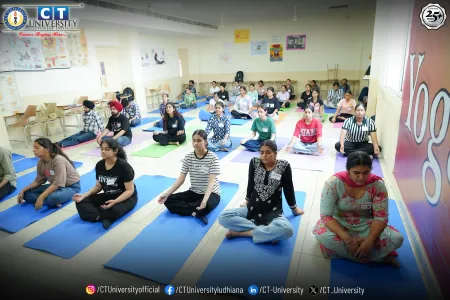
Introduces the principles and practices of yoga and meditation for physical and mental well-being.
Course Outcome:
CO1: Understand the philosophy and history of yoga.
CO2: Explain the basic principles of asanas and pranayama.
CO3: Describe techniques and benefits of meditation.
CO4: Analyze the role of yoga in stress management.
CO5: Practice basic yoga and meditation routines.
3RD SEMESTER SUBJECTS
Studies the contributions of major thinkers to administrative theory.
Course Outcome:
CO1: Understand classical administrative thought.
CO2: Explain contributions of thinkers such as Weber, Taylor and Fayol.
CO3: Analyze human relations and behavioral approaches to administration.
CO4: Compare classical and modern administrative theories.
CO5: Evaluate the relevance of administrative thinkers to contemporary governance.
Introduces the techniques and processes of radio programme production.
Course Outcome:
CO1: Understand the history and evolution of radio broadcasting.
CO2: Explain the technical aspects of radio production.
CO3: Develop scriptwriting skills for radio.
CO4: Practice recording, editing and mixing audio content.
CO5: Produce a short radio programme or podcast.
Continues development of English language and literary skills through advanced texts and writing tasks.
Course Outcome:
CO1: Apply advanced writing skills including academic writing.
CO2: Analyze prescribed prose and poetry texts.
CO3: Develop critical thinking through literary analysis.
CO4: Enhance vocabulary and language proficiency.
CO5: Improve public speaking and presentation skills.
Introduces Ayurvedic principles of food, nutrition and their role in health.
Course Outcome:
CO1: Understand basic concepts of Ayurveda and nutrition.
CO2: Explain the classification of food according to Ayurveda.
CO3: Describe the role of diet in maintaining health.
CO4: Analyze the relationship between food and body constitution (Prakriti).
CO5: Apply Ayurvedic nutrition principles to daily life.
Develops advanced entrepreneurial skills focusing on venture development.
Course Outcome:
CO1: Understand the process of venture creation.
CO2: Explain funding options for startups.
CO3: Analyze risk management in entrepreneurship.
CO4: Apply marketing strategies for new ventures.
CO5: Develop a venture pitch or proposal.
Develops effective verbal, non-verbal and written communication skills.
Course Outcome:
CO1: Understand the process and barriers of communication.
CO2: Apply effective verbal and non-verbal communication techniques.
CO3: Develop skills in written business communication.
CO4: Practice active listening and interpersonal communication.
CO5: Demonstrate effective public speaking skills.
Introduces basic first aid principles and emergency response techniques.
Course Outcome:
CO1: Understand the principles and importance of first aid.
CO2: Explain procedures for managing common injuries and emergencies.
CO3: Demonstrate basic life support techniques such as CPR.
CO4: Describe the management of fractures, burns and poisoning.
CO5: Apply first aid skills in emergency situations.
Learn One More – Bharatiya Bhasha* / Modern Indian Languages*
*Learn One More Bharatiya Bhasha / Modern Indian Languages courses are optional. Students opting for these courses will earn 1 additional credit.
Departmental Elective - V
Advances Punjabi language proficiency through literature and composition.
Course Outcome:
CO1: Analyze advanced Punjabi prose and poetry.
CO2: Apply grammatical concepts in complex sentence construction.
CO3: Develop essay and creative writing skills in Punjabi.
CO4: Interpret cultural and literary contexts of Punjabi texts.
CO5: Enhance fluency in spoken and written Punjabi.
Studies the structure, functioning and dynamics of Indian government and politics.
Course Outcome:
CO1: Understand the salient features of the Indian Constitution.
CO2: Explain the structure of the Union and State governments.
CO3: Analyze the party system and electoral politics in India.
CO4: Describe the role of the judiciary in Indian democracy.
CO5: Evaluate contemporary political issues and challenges in India.
Introduces experimental methods and research techniques in psychology.
Course Outcome:
CO1: Understand the scientific method in psychological research.
CO2: Explain experimental designs and variables.
CO3: Conduct basic psychological experiments.
CO4: Analyze and interpret experimental data.
CO5: Apply ethical principles in psychological research.
Examines major social problems and mechanisms for grievance redressal.
Course Outcome:
CO1: Understand the concept and causes of social problems.
CO2: Analyze issues such as poverty, unemployment and inequality.
CO3: Explain mechanisms for social grievance redressal.
CO4: Describe the role of social institutions in addressing social problems.
CO5: Evaluate policy responses to contemporary social issues.
Departmental Elective - VI
Studies selected essays, short stories and one-act plays in English literature.
Course Outcome:
CO1: Analyze thematic and stylistic elements of selected essays.
CO2: Interpret selected short stories critically.
CO3: Study the structure and elements of one-act plays.
CO4: Develop skills in literary appreciation and criticism.
CO5: Articulate written and oral responses to literary texts.
Examines the structure, growth and challenges of the Indian economy.
Course Outcome:
CO1: Understand the structural features of the Indian economy.
CO2: Explain economic planning and policy in India.
CO3: Analyze sectoral performance across agriculture, industry and services.
CO4: Describe issues of poverty, unemployment and inequality in India.
CO5: Evaluate recent economic reforms and their impact.
Traces India's freedom struggle and political developments from 1907 to 1947.
Course Outcome:
CO1: Understand the growth of nationalism in India.
CO2: Explain major movements led by Gandhi and other leaders.
CO3: Analyze constitutional developments during the colonial period.
CO4: Describe the role of revolutionary and radical movements.
CO5: Evaluate the events leading to India's independence and partition.
Studies principles of human growth and motor development across life stages.
Course Outcome:
CO1: Understand the concept and principles of growth and development.
CO2: Explain stages of physical and motor development.
CO3: Analyze factors affecting growth and development.
CO4: Describe the role of physical activity in development.
CO5: Apply developmental principles to physical education practice.
Open Elective Basket / Modern Indian Languages
Introduces basic vocabulary, grammar and conversational skills in French.
Course Outcome:
CO1: Understand basic French pronunciation and grammar.
CO2: Use common French vocabulary in daily conversation.
CO3: Read and comprehend simple French texts.
CO4: Write basic sentences and short paragraphs in French.
CO5: Engage in simple conversational exchanges in French.
Introduces basic vocabulary, grammar and conversational skills in Korean.
Course Outcome:
CO1: Understand basic Korean script (Hangeul) and pronunciation.
CO2: Use common Korean vocabulary in daily conversation.
CO3: Read and comprehend simple Korean texts.
CO4: Write basic sentences in Korean.
CO5: Engage in simple conversational exchanges in Korean.
Introduces basic vocabulary, grammar and conversational skills in Spanish.
Course Outcome:
CO1: Understand basic Spanish pronunciation and grammar.
CO2: Use common Spanish vocabulary in daily conversation.
CO3: Read and comprehend simple Spanish texts.
CO4: Write basic sentences and short paragraphs in Spanish.
CO5: Engage in simple conversational exchanges in Spanish.
Introduces basic vocabulary, grammar and conversational skills in Hindi.
Course Outcome:
CO1: Understand basic Hindi script (Devanagari) and grammar.
CO2: Use common Hindi vocabulary in daily conversation.
CO3: Read and comprehend simple Hindi texts.
CO4: Write basic sentences and short paragraphs in Hindi.
CO5: Engage in simple conversational exchanges in Hindi.
Introduces basic vocabulary, grammar and conversational skills in Punjabi for beginners.
Course Outcome:
CO1: Understand basic Punjabi script (Gurmukhi) and grammar.
CO2: Use common Punjabi vocabulary in daily conversation.
CO3: Read and comprehend simple Punjabi texts.
CO4: Write basic sentences and short paragraphs in Punjabi.
CO5: Engage in simple conversational exchanges in Punjabi.
Introduces basic vocabulary, grammar and conversational skills in Urdu.
Course Outcome:
CO1: Understand basic Urdu script and pronunciation.
CO2: Use common Urdu vocabulary in daily conversation.
CO3: Read and comprehend simple Urdu texts.
CO4: Write basic sentences and short paragraphs in Urdu.
CO5: Engage in simple conversational exchanges in Urdu.
4TH SEMESTER SUBJECTS
Studies the principles and practices of administering social welfare programmes.
Course Outcome:
CO1: Understand the concept and scope of social welfare administration.
CO2: Explain the structure of social welfare agencies.
CO3: Analyze planning and implementation of welfare programmes.
CO4: Describe methods of social work administration.
CO5: Evaluate government schemes for social welfare.
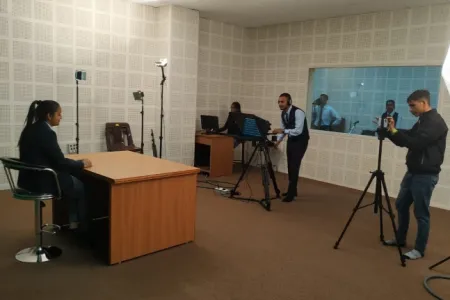
Introduces techniques and processes involved in television programme production.
Course Outcome:
CO1: Understand the basics of television production workflow.
CO2: Explain camera operations and studio production techniques.
CO3: Develop scriptwriting skills for television.
CO4: Practice video editing and post-production techniques.
CO5: Produce a short television programme.
Further develops English language proficiency through literature and advanced writing.
Course Outcome:
CO1: Analyze prescribed literary texts critically.
CO2: Apply advanced writing techniques in academic contexts.
CO3: Develop skills in creative and reflective writing.
CO4: Enhance listening and speaking proficiency.
CO5: Demonstrate improved overall communicative competence.
Builds skills for scaling and sustaining entrepreneurial ventures.
Course Outcome:
CO1: Understand strategies for business growth and scaling.
CO2: Explain financial management for growing ventures.
CO3: Analyze challenges in sustaining a business.
CO4: Apply innovation strategies to business problems.
CO5: Develop a growth strategy for a venture.
Covers techniques for managing stress and enhancing emotional well-being.
Course Outcome:
CO1: Understand the concept and causes of stress.
CO2: Explain the physiological and psychological effects of stress.
CO3: Describe techniques for stress management.
CO4: Analyze the role of emotional intelligence in wellness.
CO5: Apply stress management techniques in daily life.
Focuses on skills for career readiness including resume building and interview preparation.
Course Outcome:
CO1: Understand the process of career planning.
CO2: Develop an effective resume and cover letter.
CO3: Practice interview skills and techniques.
CO4: Apply workplace communication and etiquette.
CO5: Demonstrate readiness for internships and employment.
*Professional Development-I is an optional, non-credit course. Evaluation shall be on a Satisfactory/Unsatisfactory basis.
Departmental Elective - VII
Advances Punjabi literary study through prose, poetry and drama.
Course Outcome:
CO1: Analyze selected Punjabi dramatic and literary works.
CO2: Apply advanced grammar in Punjabi composition.
CO3: Interpret cultural themes in Punjabi literature.
CO4: Develop critical writing skills in Punjabi.
CO5: Enhance overall command of the Punjabi language.
Studies key Indian and Western political thinkers and their ideas.
Course Outcome:
CO1: Understand the contributions of major Western political thinkers.
CO2: Explain the political thought of key Indian thinkers.
CO3: Analyze concepts of justice, rights and the state in political thought.
CO4: Compare Indian and Western traditions of political thought.
CO5: Evaluate the relevance of political thought to modern governance.
Studies mental processes such as perception, memory and problem-solving.
Course Outcome:
CO1: Understand the scope and history of cognitive psychology.
CO2: Explain models of attention and perception.
CO3: Describe memory processes and models.
CO4: Analyze problem-solving and decision-making processes.
CO5: Apply cognitive psychology concepts to real-life scenarios.
Examines social work approaches to addressing the needs of senior citizens.
Course Outcome:
CO1: Understand the concept of ageing and its social implications.
CO2: Explain the needs and problems of senior citizens.
CO3: Describe social work interventions for elderly care.
CO4: Analyze government policies and schemes for senior citizens.
CO5: Evaluate the role of institutions in elderly welfare.
Departmental Elective - VIII
Introduces poetic forms, literary devices and terminology.
Course Outcome:
CO1: Understand basic literary terms and devices.
CO2: Analyze selected verse for form and meaning.
CO3: Interpret figures of speech and poetic techniques.
CO4: Apply literary terminology in textual analysis.
CO5: Develop skills in appreciating and critiquing poetry.
Studies theories and issues related to economic growth and development.
Course Outcome:
CO1: Understand key concepts of economic growth and development.
CO2: Explain major theories of economic development.
CO3: Analyze indicators of development and underdevelopment.
CO4: Describe the role of institutions in economic development.
CO5: Evaluate development strategies and policies.
Traces the political and social history of Punjab from annexation to reorganization.
Course Outcome:
CO1: Understand the annexation of Punjab by the British.
CO2: Explain administrative and socio-economic changes under colonial rule.
CO3: Analyze the freedom struggle in Punjab.
CO4: Describe events leading to the partition and its impact on Punjab.
CO5: Evaluate the reorganization of Punjab in 1966.
Examines psychological and sociological dimensions of sports and physical activity.
Course Outcome:
CO1: Understand the scope of sports psychology and sociology.
CO2: Explain psychological factors affecting sports performance.
CO3: Analyze motivation and anxiety in sports contexts.
CO4: Describe the sociological significance of sports in society.
CO5: Apply psychological and sociological concepts to sports settings.
5TH SEMESTER SUBJECTS
Examines contemporary challenges and reforms in public administration.
Course Outcome:
CO1: Understand emerging issues in public administration.
CO2: Explain administrative reforms in India.
CO3: Analyze issues of accountability and transparency in governance.
CO4: Describe challenges of corruption and ethics in administration.
CO5: Evaluate contemporary trends such as e-governance.
Develops digital literacy skills for application in social development contexts.
Course Outcome:
CO1: Understand the role of digital tools in social development.
CO2: Apply basic digital tools for data collection and analysis.
CO3: Explain the use of social media for advocacy and outreach.
CO4: Analyze digital divide issues in development contexts.
CO5: Apply digital skills to a social development project.
Advances English language proficiency with a focus on professional and academic communication.
Course Outcome:
CO1: Apply advanced academic writing skills.
CO2: Analyze complex literary and non-literary texts.
CO3: Develop skills in professional correspondence.
CO4: Enhance critical thinking through textual analysis.
CO5: Demonstrate advanced oral communication skills.
Introduces the principles and methods of social science research.
Course Outcome:
CO1: Understand the concept and types of research.
CO2: Explain the process of research design.
CO3: Describe methods of data collection and sampling.
CO4: Analyze basic techniques of data analysis and interpretation.
CO5: Apply research methodology to prepare a research proposal.
Explores ethical traditions and values in the Indian context.
Course Outcome:
CO1: Understand foundational concepts of Indian ethical thought.
CO2: Explain ethical teachings from Indian philosophical traditions.
CO3: Analyze the relevance of ethics in public life and governance.
CO4: Describe applied ethics in professional contexts.
CO5: Evaluate contemporary ethical dilemmas using Indian ethical frameworks.
Focuses on advanced entrepreneurial strategy and sustainability.
Course Outcome:
CO1: Understand strategies for sustainable entrepreneurship.
CO2: Explain social entrepreneurship and its impact.
CO3: Analyze scaling strategies for ventures.
CO4: Apply strategic planning tools to a venture.
CO5: Develop a comprehensive business strategy.
Provides hands-on experience in independent project work under faculty guidance.
Course Outcome:
CO1: Identify a relevant project topic and objectives.
CO2: Conduct a literature review related to the project.
CO3: Apply appropriate methodology to the project.
CO4: Analyze and present project findings.
CO5: Demonstrate skills in project documentation and presentation.
Covers principles of disaster risk reduction, preparedness and management.
Course Outcome:
CO1: Understand concepts of hazard, risk and vulnerability.
CO2: Explain types and causes of natural and man-made disasters.
CO3: Describe disaster preparedness and mitigation strategies.
CO4: Analyze the institutional framework for disaster management in India.
CO5: Apply disaster risk reduction principles to real scenarios.
Builds advanced career readiness skills including workplace communication and networking.
Course Outcome:
CO1: Understand advanced career planning strategies.
CO2: Apply networking and personal branding techniques.
CO3: Develop advanced interview and negotiation skills.
CO4: Practice workplace communication in professional settings.
CO5: Demonstrate readiness for advanced internships and job placements.
#Disaster Risk Reduction and Management is an optional course. Students who opt for this course will earn 2 additional credits.
*Professional Development-II is an optional, non-credit course. Evaluation shall be on a Satisfactory/Unsatisfactory basis.
Departmental Elective - IX
Advances Punjabi literary and linguistic study through selected texts.
Course Outcome:
CO1: Analyze advanced Punjabi literary texts.
CO2: Apply refined grammatical and stylistic skills in Punjabi.
CO3: Interpret cultural and historical contexts in Punjabi literature.
CO4: Develop critical and creative writing skills.
CO5: Demonstrate advanced proficiency in spoken and written Punjabi.
Studies political systems and institutions across different countries.
Course Outcome:
CO1: Understand the scope and methods of comparative politics.
CO2: Explain different types of political systems.
CO3: Analyze electoral and party systems across countries.
CO4: Compare governance structures of major democracies.
CO5: Evaluate contemporary trends in global politics.
Introduces basic principles and techniques of counselling.
Course Outcome:
CO1: Understand the concept and goals of counselling.
CO2: Explain core counselling skills such as listening and empathy.
CO3: Describe different approaches to counselling.
CO4: Practice basic counselling techniques in role-play settings.
CO5: Apply ethical principles in counselling practice.
Introduces the concept of disability and issues of inclusion.
Course Outcome:
CO1: Understand the concept and types of disabilities.
CO2: Explain models of disability: medical and social.
CO3: Analyze policies and legislation for disability rights.
CO4: Describe strategies for inclusive education and rehabilitation.
CO5: Evaluate challenges faced by persons with disabilities in society.
Departmental Elective - X
Traces the development of English literature from the Renaissance period onward.
Course Outcome:
CO1: Understand the historical context of Renaissance literature.
CO2: Analyze selected Renaissance texts and authors.
CO3: Explain the transition to Enlightenment and Romantic literature.
CO4: Interpret major literary movements and their features.
CO5: Develop critical appreciation of period-specific literary works.
Studies the evolution of economic thought from classical to modern schools.
Course Outcome:
CO1: Understand the evolution of major schools of economic thought.
CO2: Explain classical economic theories.
CO3: Analyze Keynesian and neoclassical contributions.
CO4: Describe contemporary developments in economic thought.
CO5: Evaluate the relevance of economic theories to current issues.
Examines the development of science and technology in India across periods.
Course Outcome:
CO1: Understand ancient Indian scientific and technological achievements.
CO2: Explain developments during the medieval period.
CO3: Analyze the impact of colonial rule on Indian science and technology.
CO4: Describe post-independence scientific and technological growth.
CO5: Evaluate the role of science and technology in nation-building.
Introduces principles of managing sports organizations and events.
Course Outcome:
CO1: Understand the scope and principles of sports management.
CO2: Explain organizational structures in sports institutions.
CO3: Describe planning and management of sports events.
CO4: Analyze marketing and sponsorship in sports.
CO5: Apply management principles to a sports-related project.
6TH SEMESTER SUBJECTS
Option A
Continues independent project work, building on Capstone Project I with in-depth research.
Course Outcome:
CO1: Refine the project topic based on earlier feedback.
CO2: Apply advanced methodology to project execution.
CO3: Analyze and interpret comprehensive project data.
CO4: Present findings through a formal project report.
CO5: Demonstrate proficiency in project defense and viva.
Provides practical field exposure through supervised training in a relevant organization.
Course Outcome:
CO1: Understand the functioning of a real-world organization.
CO2: Apply classroom knowledge to practical field settings.
CO3: Develop professional and workplace skills through field exposure.
CO4: Analyze challenges faced during field training.
CO5: Demonstrate competency through a field training report and presentation.
Option B
Examines the relationship between citizens and public administration.
Course Outcome:
CO1: Understand the concept of citizen-centric administration.
CO2: Explain mechanisms for citizen participation in governance.
CO3: Analyze grievance redressal systems for citizens.
CO4: Describe the role of Right to Information in administration.
CO5: Evaluate citizen-administration relations in contemporary India.
Studies journalism focused on reporting development issues and grassroots concerns.
Course Outcome:
CO1: Understand the concept and scope of development journalism.
CO2: Explain techniques of reporting on development issues.
CO3: Analyze case studies of development journalism in India.
CO4: Develop skills in writing development-focused news stories.
CO5: Evaluate the role of media in promoting development.
Examines the growth and dimensions of nationalism in the Indian context.
Course Outcome:
CO1: Understand theories and concepts of nationalism.
CO2: Explain the growth of Indian nationalism.
CO3: Analyze regional and cultural dimensions of nationalism in India.
CO4: Describe the role of leaders and movements in shaping nationalism.
CO5: Evaluate contemporary debates on nationalism in India.
Concludes the English language sequence with advanced literary and communication skills.
Course Outcome:
CO1: Analyze advanced literary texts critically.
CO2: Apply refined academic and professional writing skills.
CO3: Develop advanced public speaking and presentation abilities.
CO4: Demonstrate comprehensive command of English language skills.
CO5: Synthesize learning through a capstone writing or presentation task.
Departmental Elective XI
Concludes Punjabi language study with advanced literary and linguistic analysis.
Course Outcome:
CO1: Analyze advanced Punjabi literary works comprehensively.
CO2: Demonstrate mastery of Punjabi grammar and composition.
CO3: Interpret complex cultural and literary themes in Punjabi.
CO4: Develop advanced creative writing skills in Punjabi.
CO5: Exhibit overall proficiency in the Punjabi language.
Studies the principles and evolution of India's foreign policy and international relations.
Course Outcome:
CO1: Understand the objectives and principles of India's foreign policy.
CO2: Explain India's relations with major global powers.
CO3: Analyze India's role in regional and international organizations.
CO4: Describe key foreign policy challenges facing India.
CO5: Evaluate contemporary developments in international relations.
Introduces the classification, causes and treatment of psychological disorders.
Course Outcome:
CO1: Understand classification systems for psychological disorders.
CO2: Explain causes and symptoms of major psychological disorders.
CO3: Analyze diagnostic approaches to psychological disorders.
CO4: Describe treatment and intervention approaches.
CO5: Evaluate the social and ethical dimensions of mental health care.
Studies rehabilitation approaches for persons with disabilities within community settings.
Course Outcome:
CO1: Understand the concept and principles of community-based rehabilitation.
CO2: Explain strategies for community-level intervention.
CO3: Analyze the role of stakeholders in rehabilitation programmes.
CO4: Describe government and NGO initiatives in rehabilitation.
CO5: Evaluate the effectiveness of community-based rehabilitation approaches.
Departmental Elective XII
Continues the study of English literature from the Victorian to modern periods.
Course Outcome:
CO1: Understand the historical context of Victorian and modern literature.
CO2: Analyze selected texts from the Victorian era.
CO3: Explain features of modernist literature.
CO4: Interpret major themes in 20th-century literature.
CO5: Develop critical appreciation of modern literary works.
Introduces statistical tools and their application in economic analysis.
Course Outcome:
CO1: Understand basic statistical concepts used in economics.
CO2: Explain measures of central tendency and dispersion.
CO3: Apply correlation and regression analysis to economic data.
CO4: Describe index numbers and their applications.
CO5: Analyze economic data using statistical techniques.
Traces major political and social developments in world history from the 15th to 20th century.
Course Outcome:
CO1: Understand the Renaissance and its global impact.
CO2: Explain the age of exploration and colonialism.
CO3: Analyze the French and Industrial Revolutions.
CO4: Describe the World Wars and their global consequences.
CO5: Evaluate major ideological movements of the 20th century.
Studies advanced techniques for managing stress in personal and professional contexts.
Course Outcome:
CO1: Understand advanced theories of stress and coping.
CO2: Explain physiological responses to chronic stress.
CO3: Describe advanced stress management techniques.
CO4: Analyze the role of lifestyle in stress management.
CO5: Apply comprehensive stress management strategies in real-life contexts.
Note: Students who wish to opt for the Internship may proceed with Option A, while those who do not wish to opt for the Internship may choose Option B.